
Piles and Palisading
Piles: The Structural Backbone
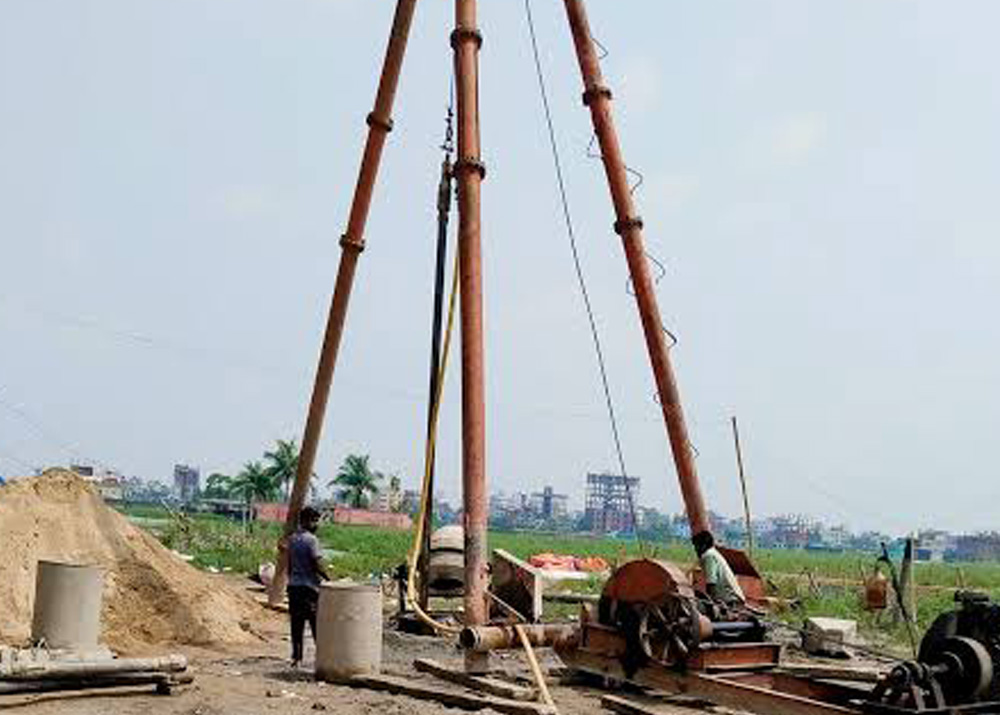
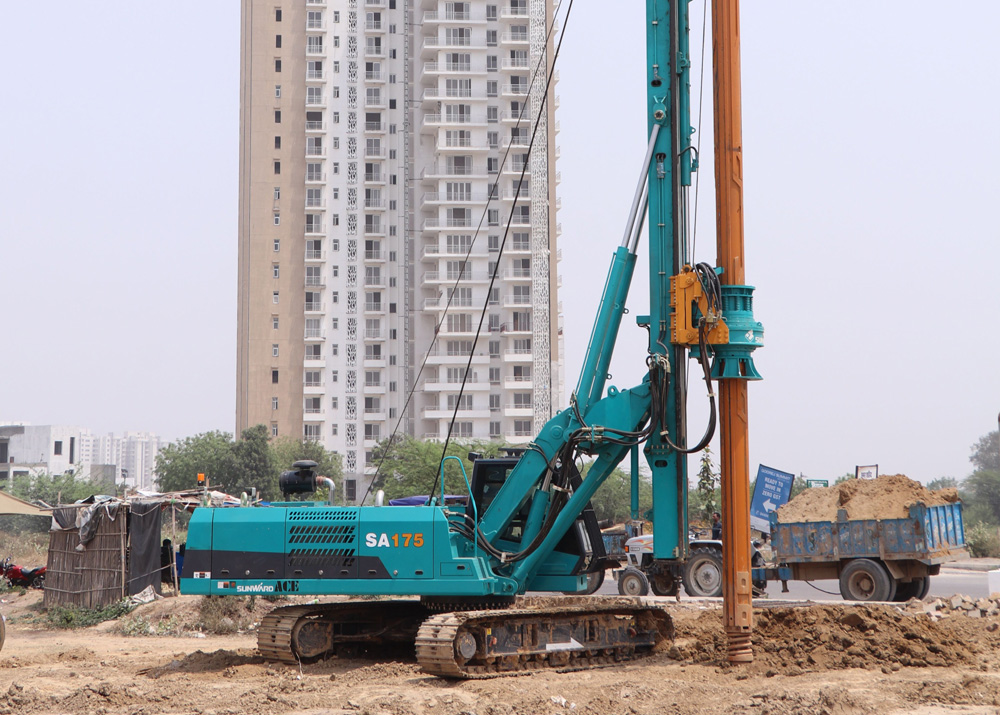
In engineering, a pile is a long, slender column driven deep into the ground. Its job is to support massive structures like skyscrapers, bridges, and piers, especially when the soil near the surface is too weak to bear the load. Think of it as an artificial root system for a building. When you see a large construction project, piles are often the first thing installed, driven deep into the earth to create a stable foundation.
Palisadings: The Protective Barrier
Historically, a palisade is a fence or defensive wall made of tall, pointed wooden stakes driven into the ground. This has been a common fortification for centuries, used to protect settlements and forts. The term can also be applied to wooden churches built with walls of vertical split logs.
In modern construction, the term "palisading" has evolved. It often refers to:
-
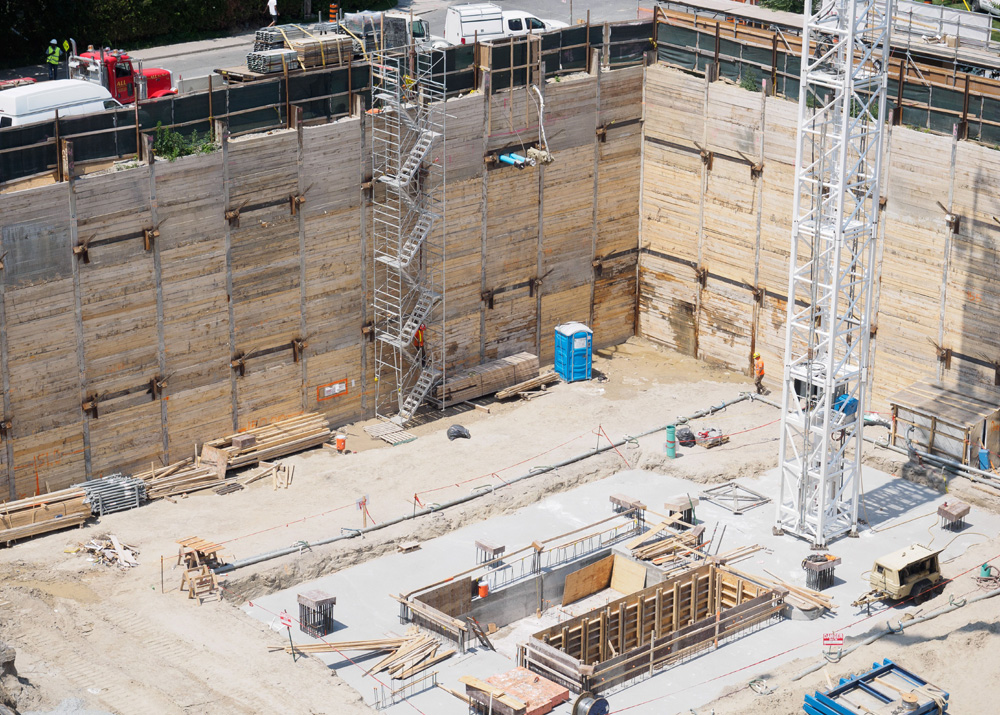
Retaining Walls: A row of vertical concrete or steel piles used to support the sides of a deep excavation, preventing the surrounding earth from collapsing.
-
Fencing: A type of fence made from concrete posts, often shaped to mimic traditional wooden palisades for aesthetic purposes