
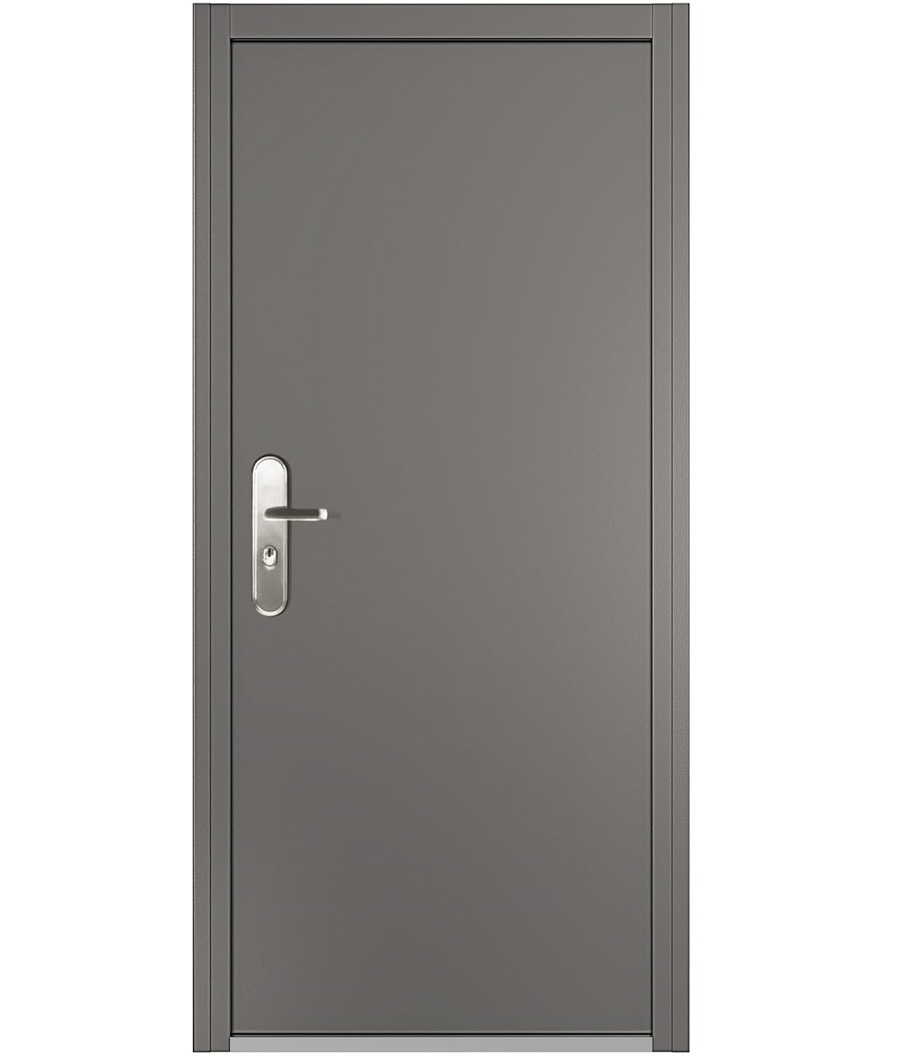
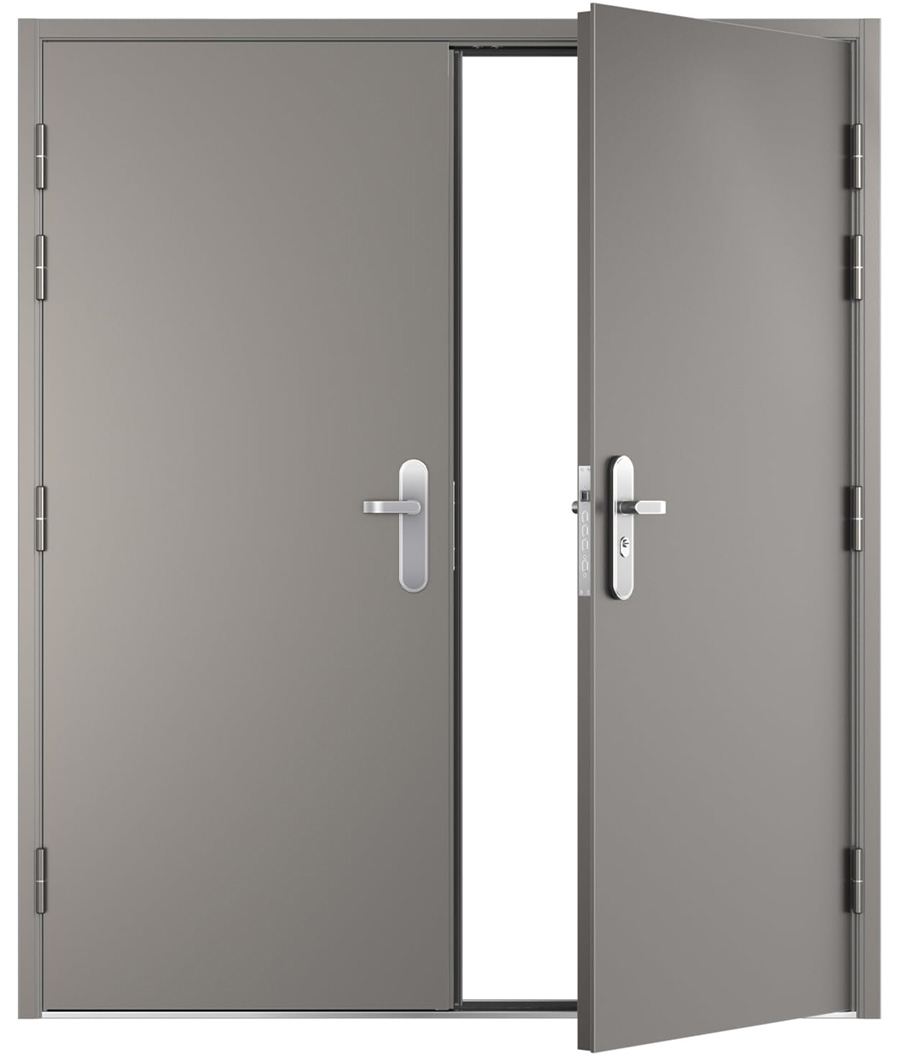
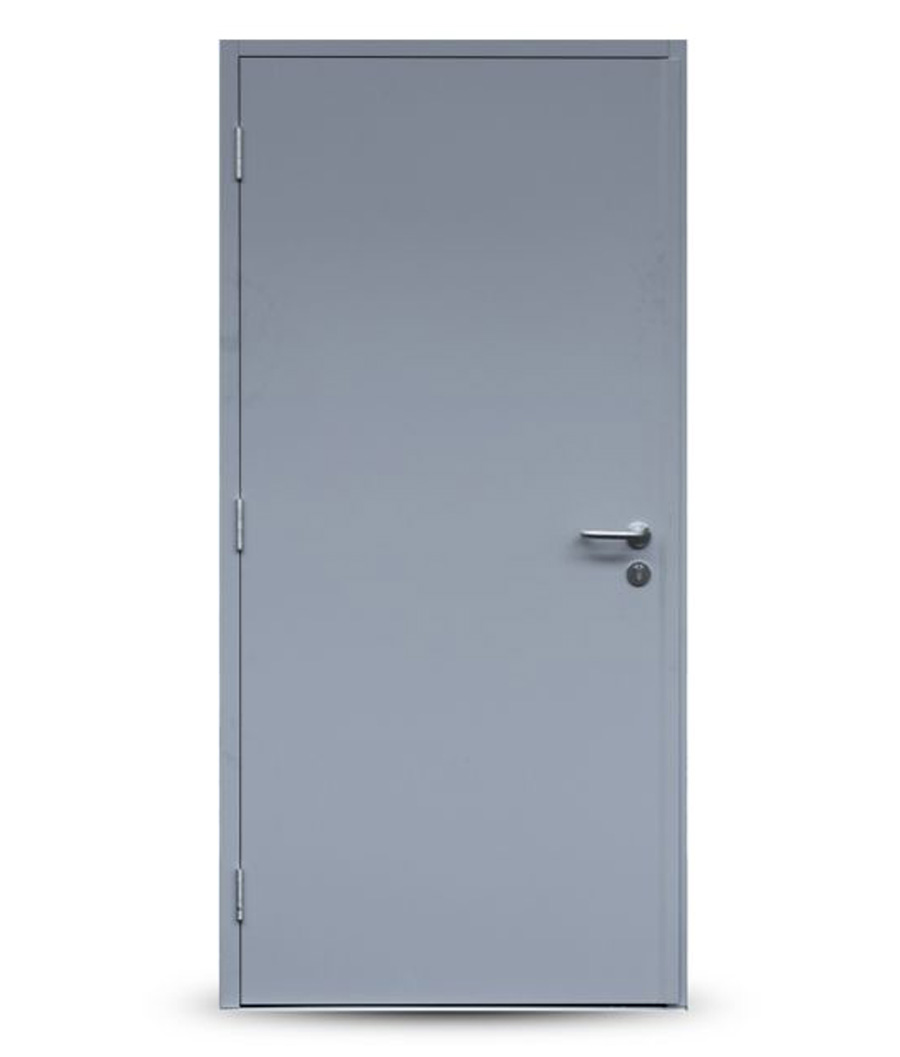
Security Door
Doors
Security door is a heavy-duty physical barrier designed to prevent unauthorized entry, withstand forced break-in attempts, and provide peace of mind. Unlike standard exterior doors, they are built with reinforced materials and specialized locking systems.
Here is a quick breakdown of what makes a security door actually secure, the main types available, and what to look for when buying one.
Related Products
PU Wall Panel
Sandwich Panel
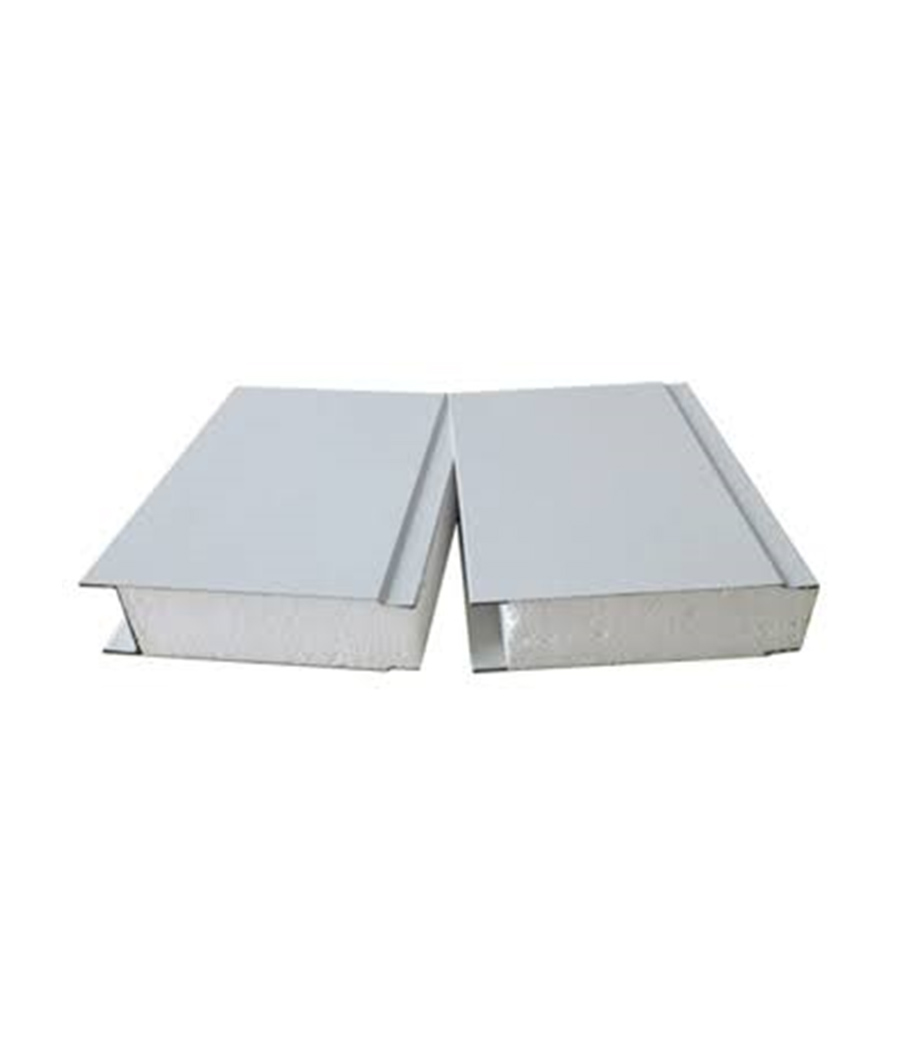
EPS Sandwich Panels
Sandwich Panel
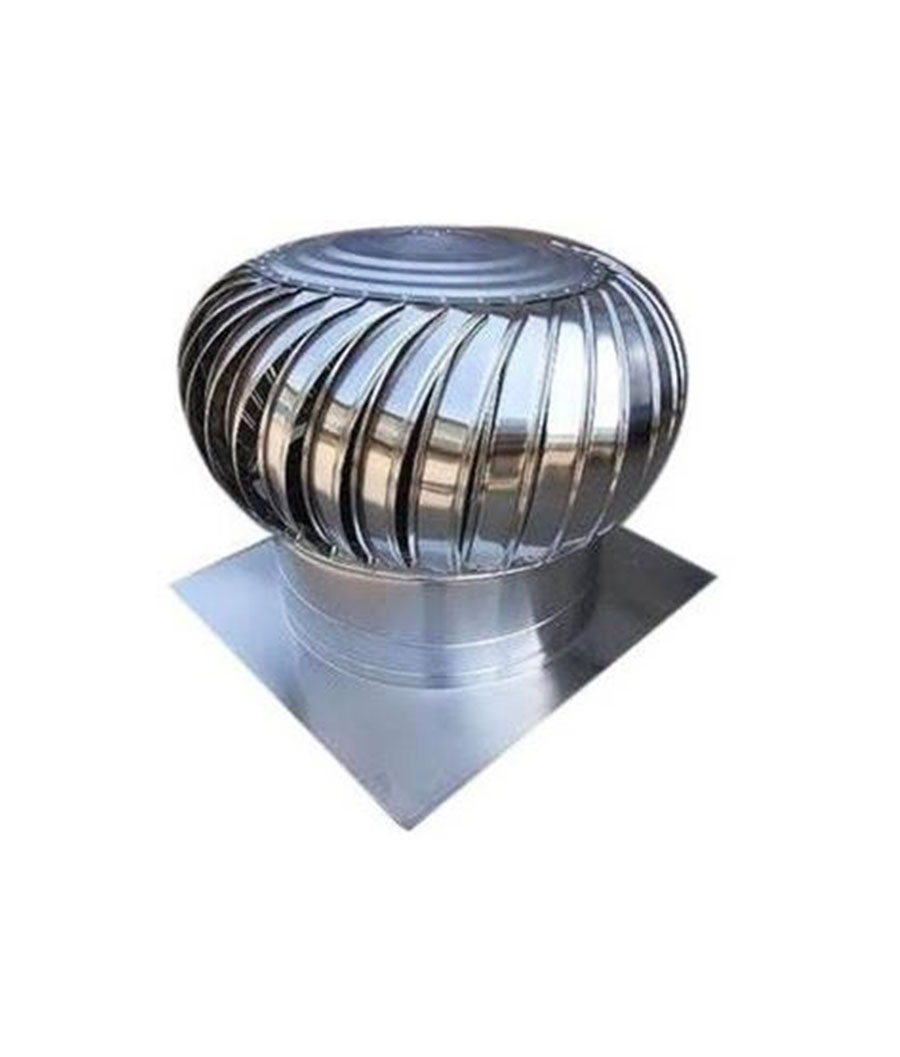
Turbo Ventilator
Insulation & Ventilation
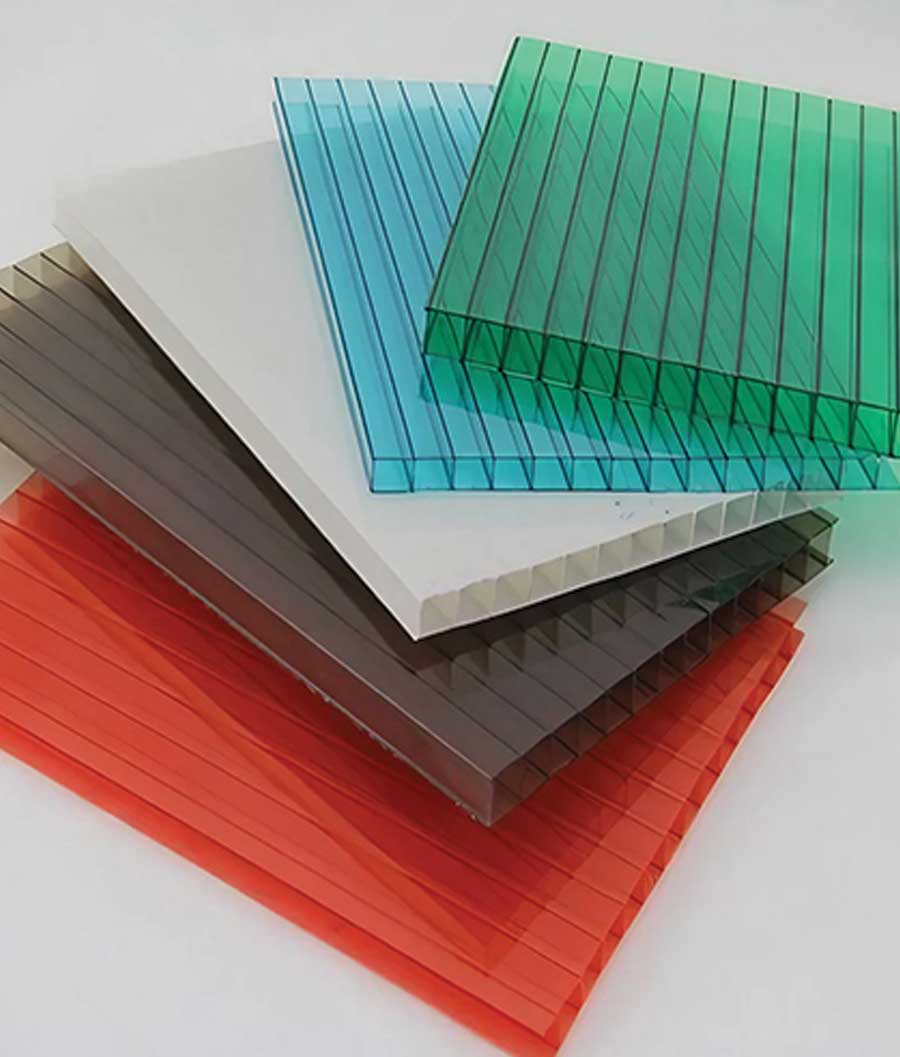
Polycarbonate Sheet
Profile, Corrugated Sheet
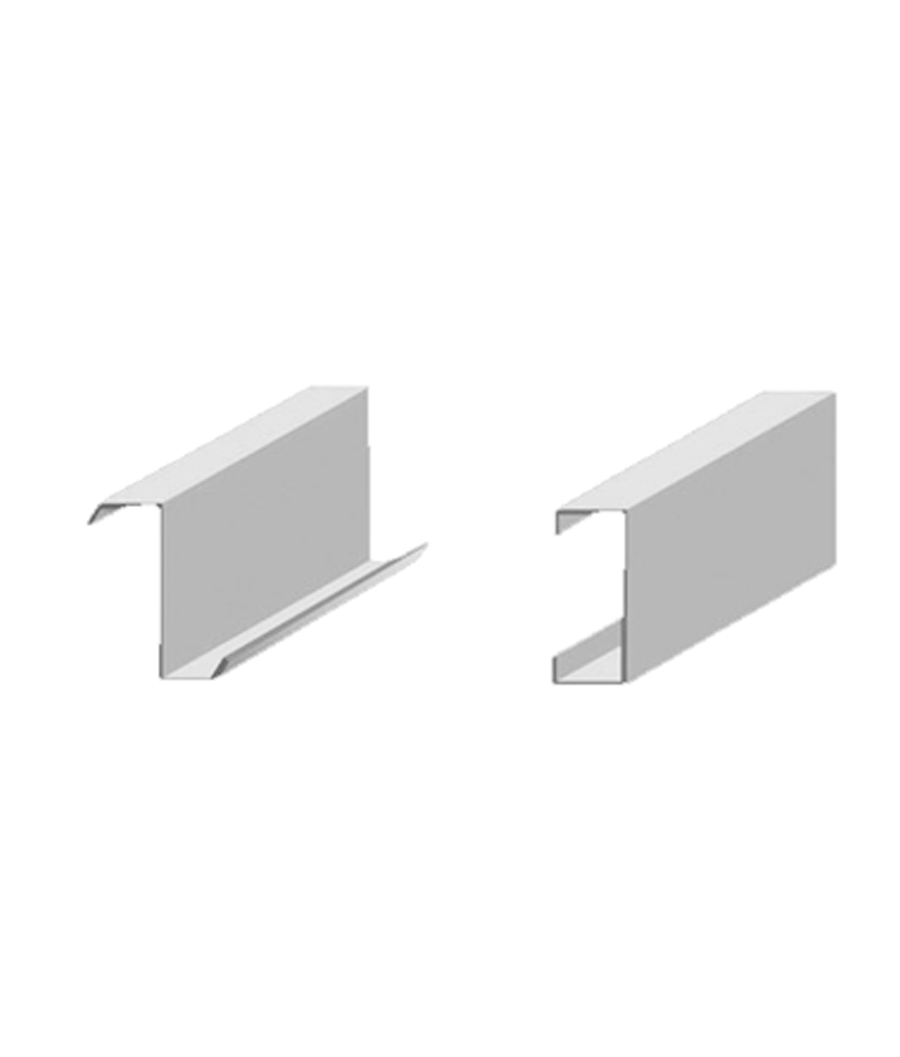
Z and C Purlins
Building Secondary Products
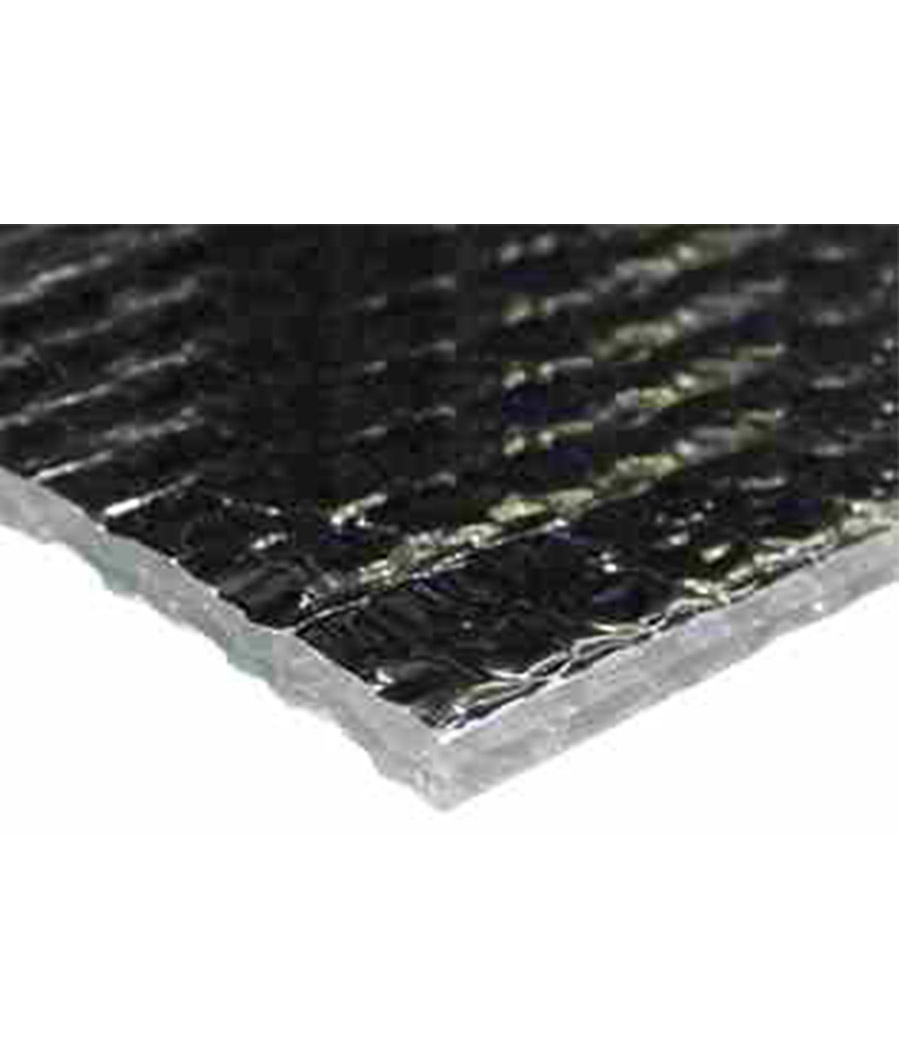
Double Bubble Insulation
Insulation & Ventilation
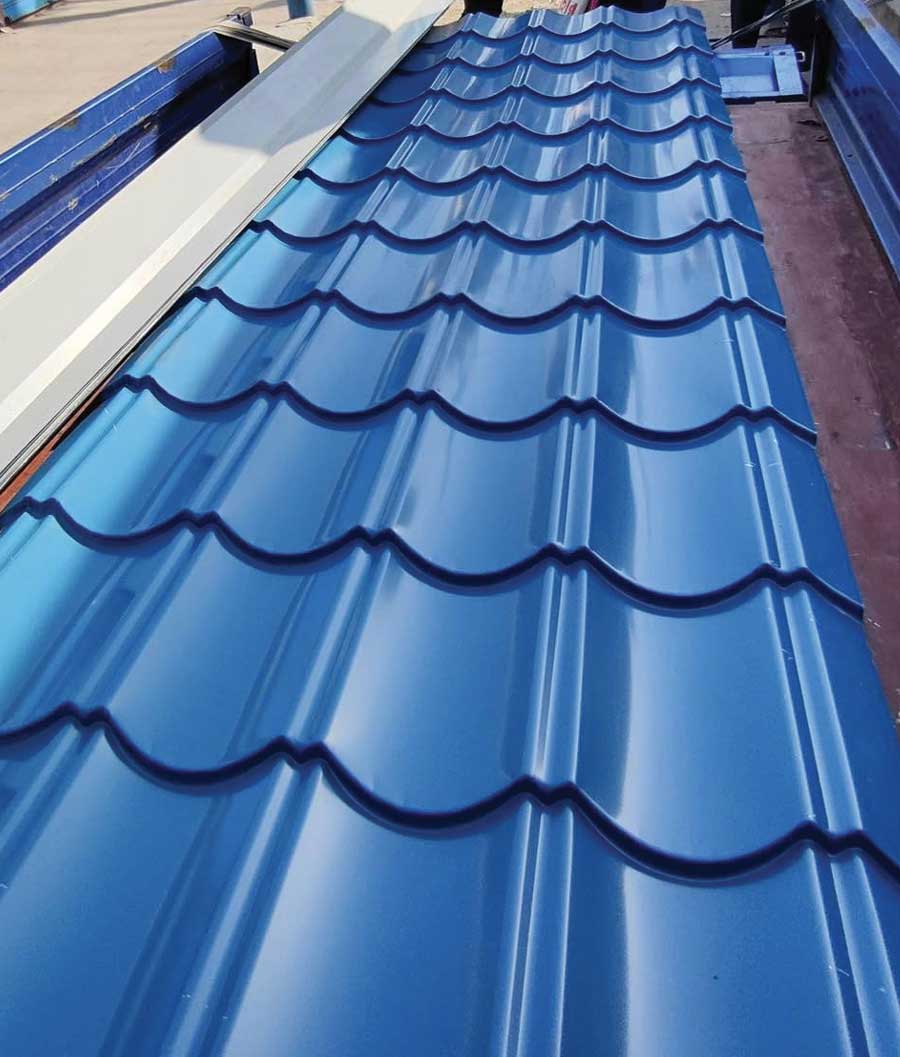
Tally Tin Roofing Sheet
Profile, Corrugated Sheet
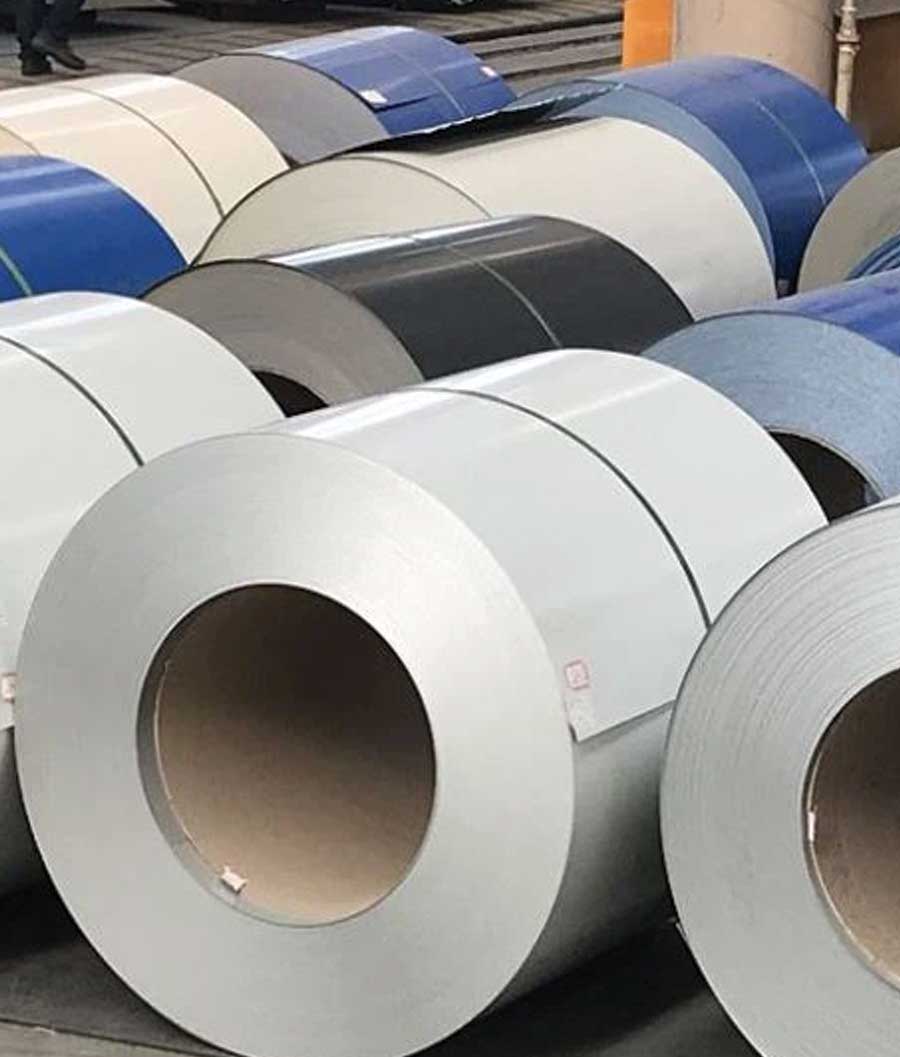
PPGL & PPGI
Basic Steel Form
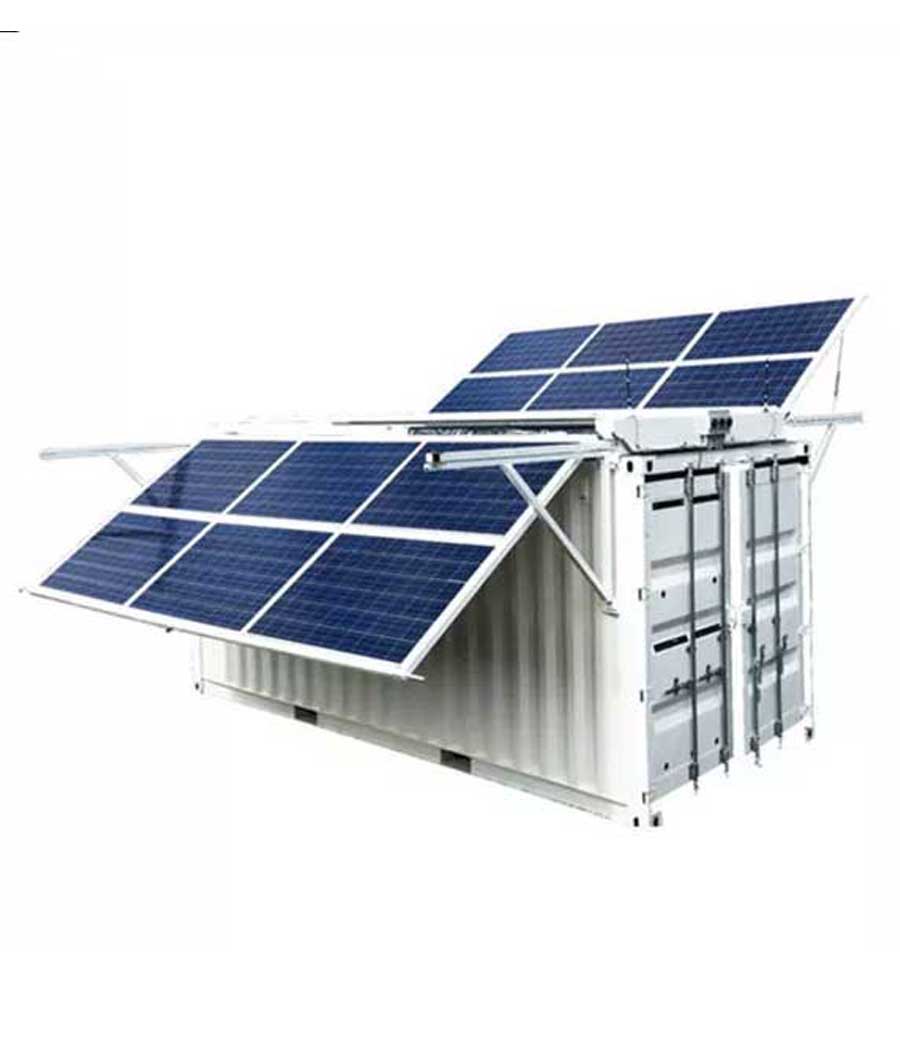
Container Mini Cold Storage
Other Products
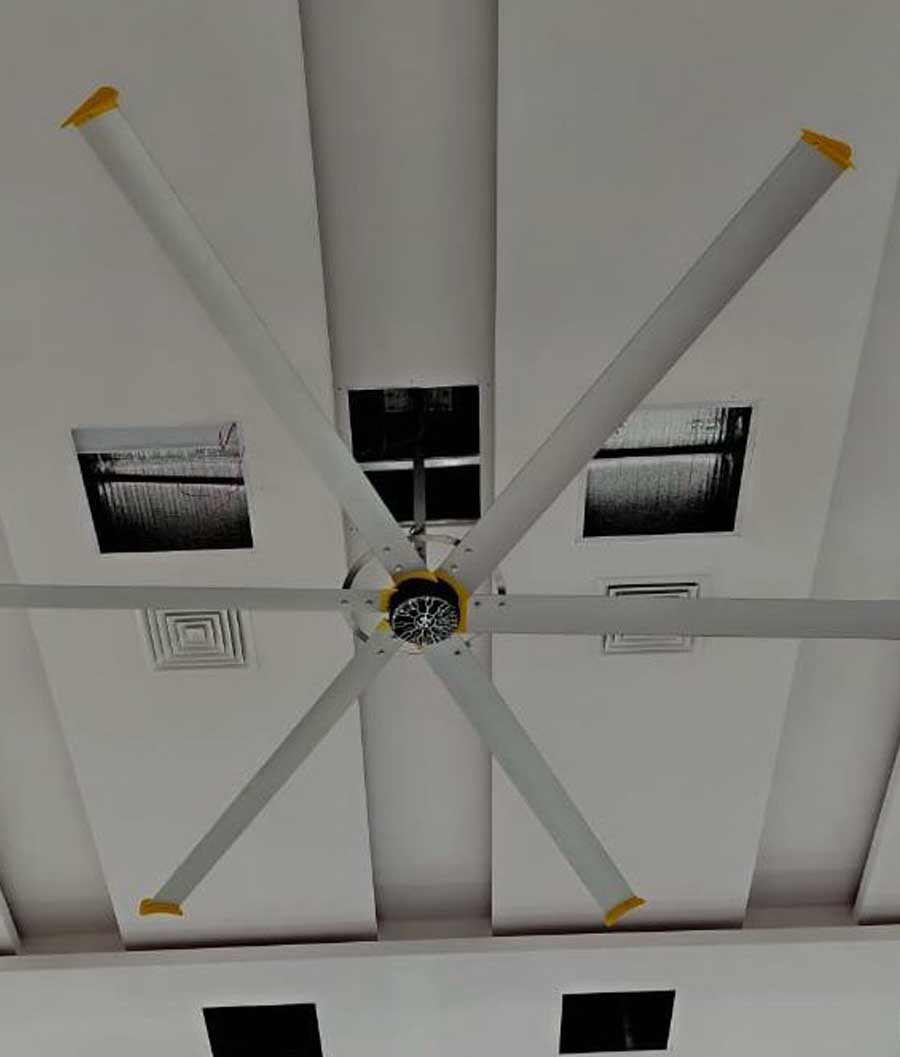
Helicopter Fan
Insulation & Ventilation
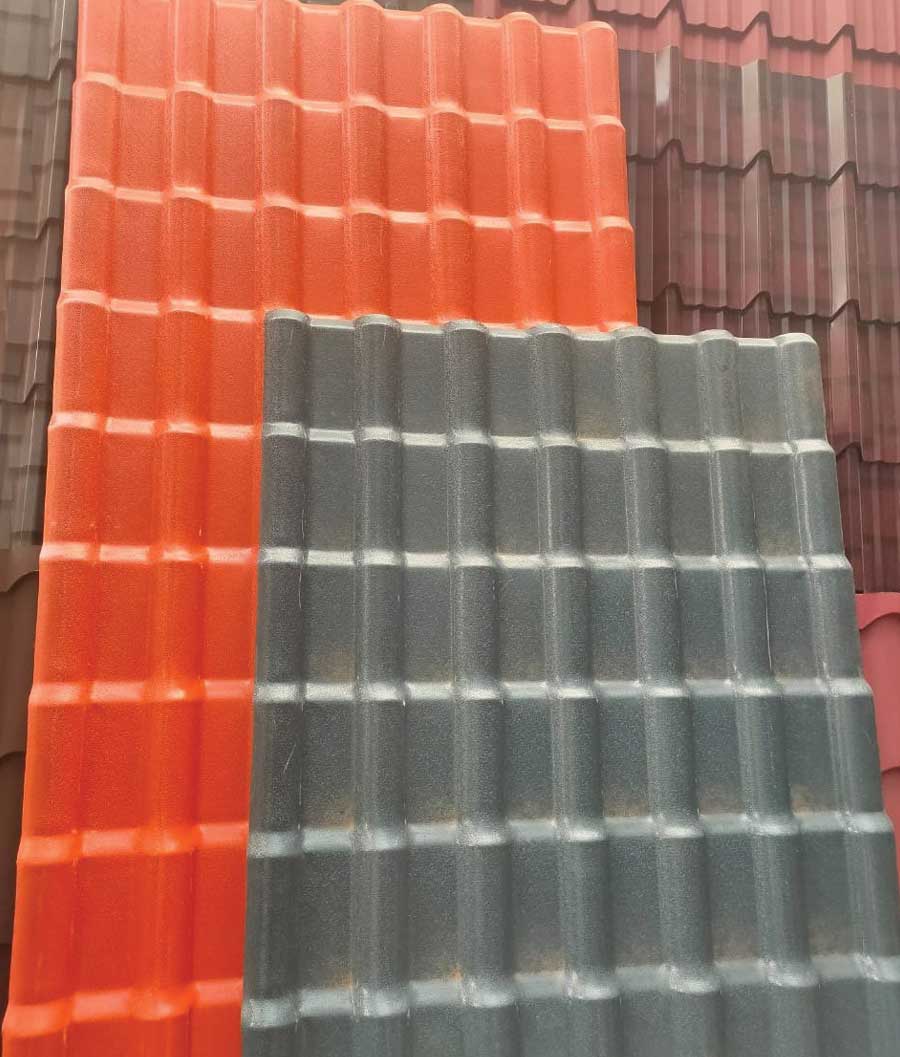
uPVC Tali Sheet
Profile, Corrugated Sheet
Please send your query of Security Door