
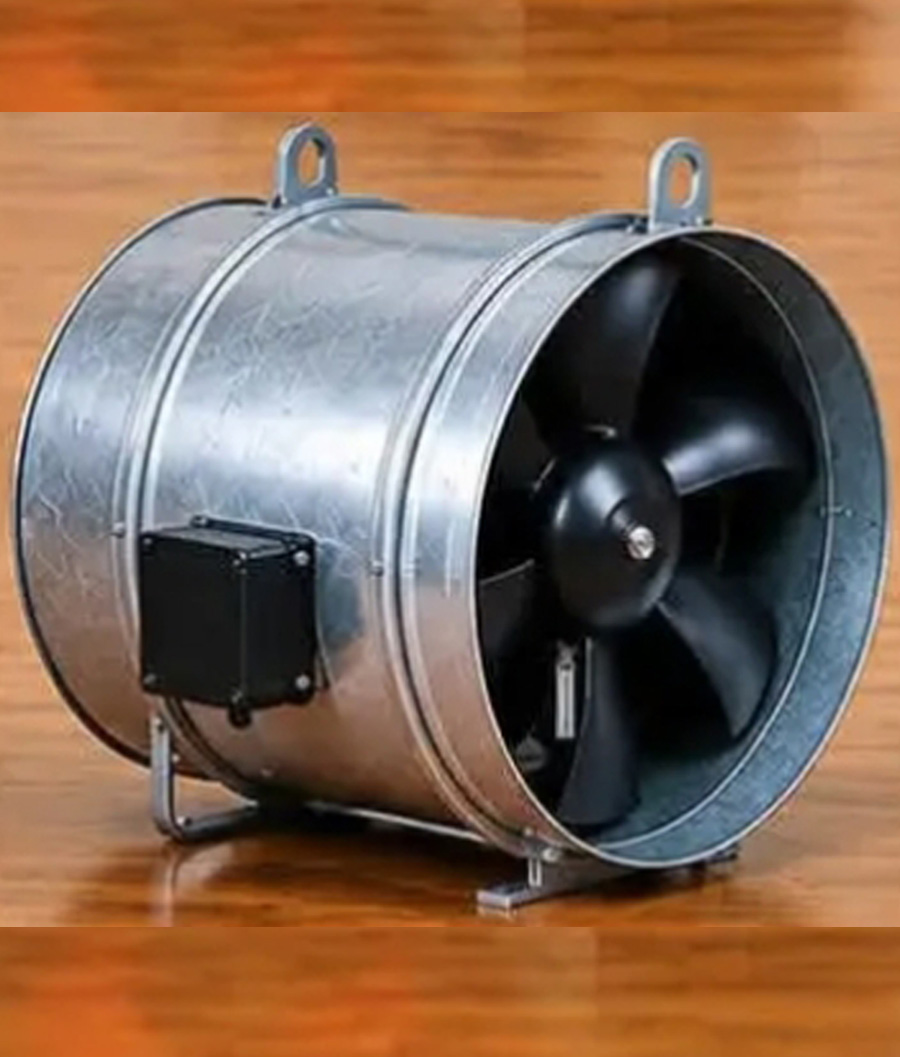
Inline Duct Fan
Insulation & Ventilation
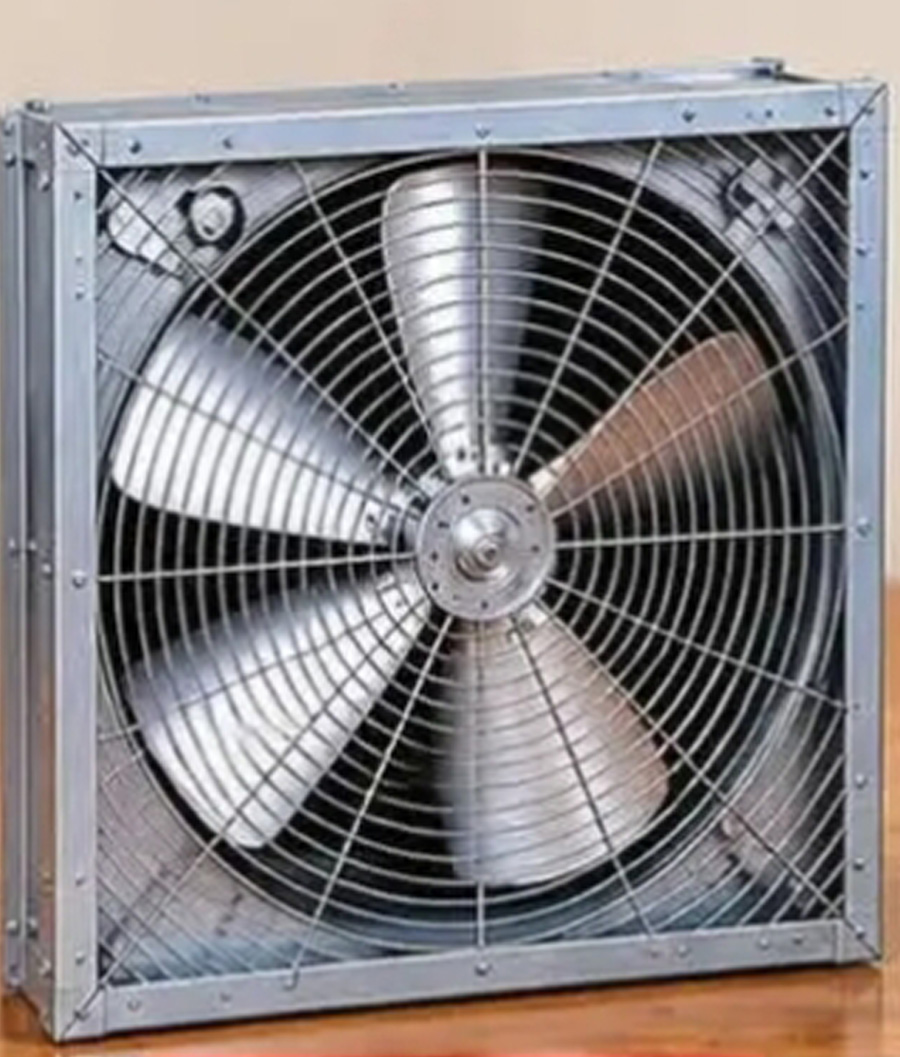
An inline duct fan (or inline duct blower) is mounted directly inside ductwork rather than on a wall or ceiling. It draws air through the duct network to boost airflow, exhaust fumes, manage temperature and humidity, or extract odors.
Common Applications
- Indoor Gardening & Hydroponics: Exhausts heat, manages humidity, and pulls air through carbon filters to scrub odors in grow tents or rooms.
- HVAC Air Boosting: Increases airflow to specific rooms in a home that standard furnace or central AC fans struggle to reach.
- Bathroom & Kitchen Exhaust: Serves as a quiet, remote exhaust system by mounting the fan motor in an attic or crawlspace to keep noise away from living areas.
- Electronics & Equipment Cooling: Keeps AV closets, server racks, and equipment rooms cool.
Related Products
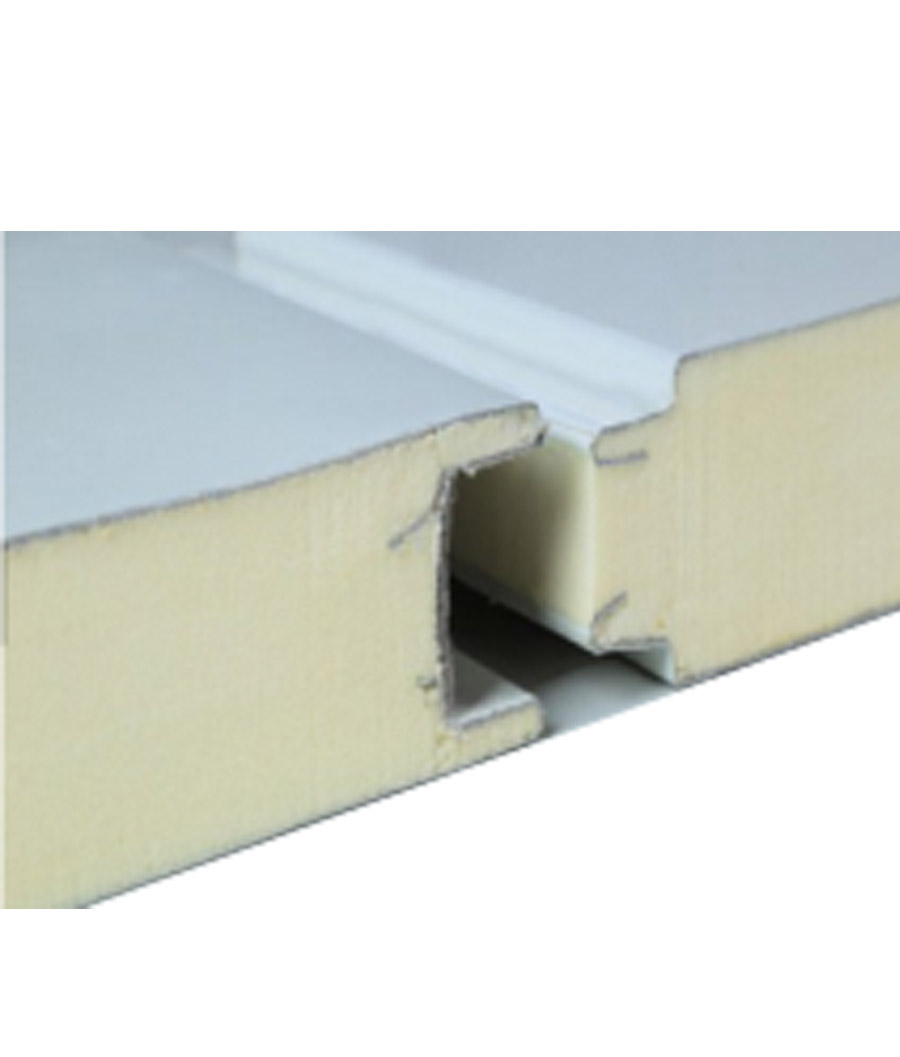
PU Wall Panel
Sandwich Panel
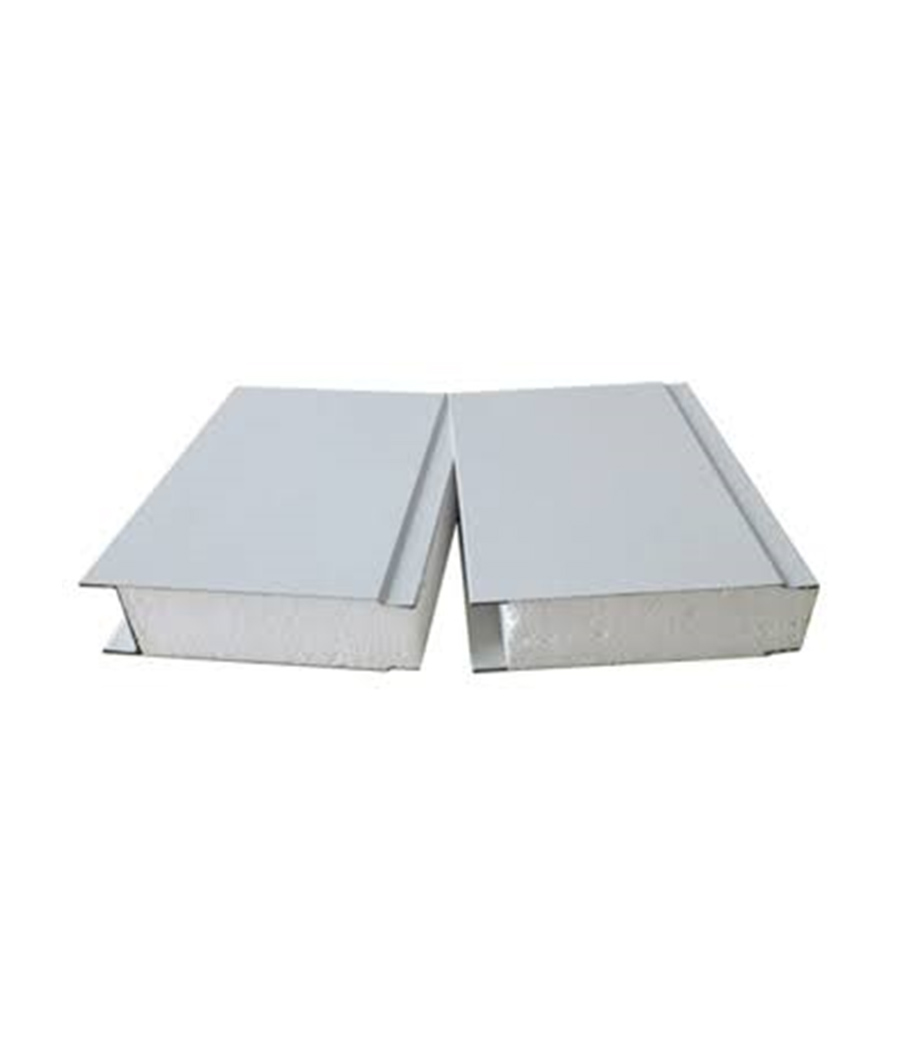
EPS Sandwich Panels
Sandwich Panel
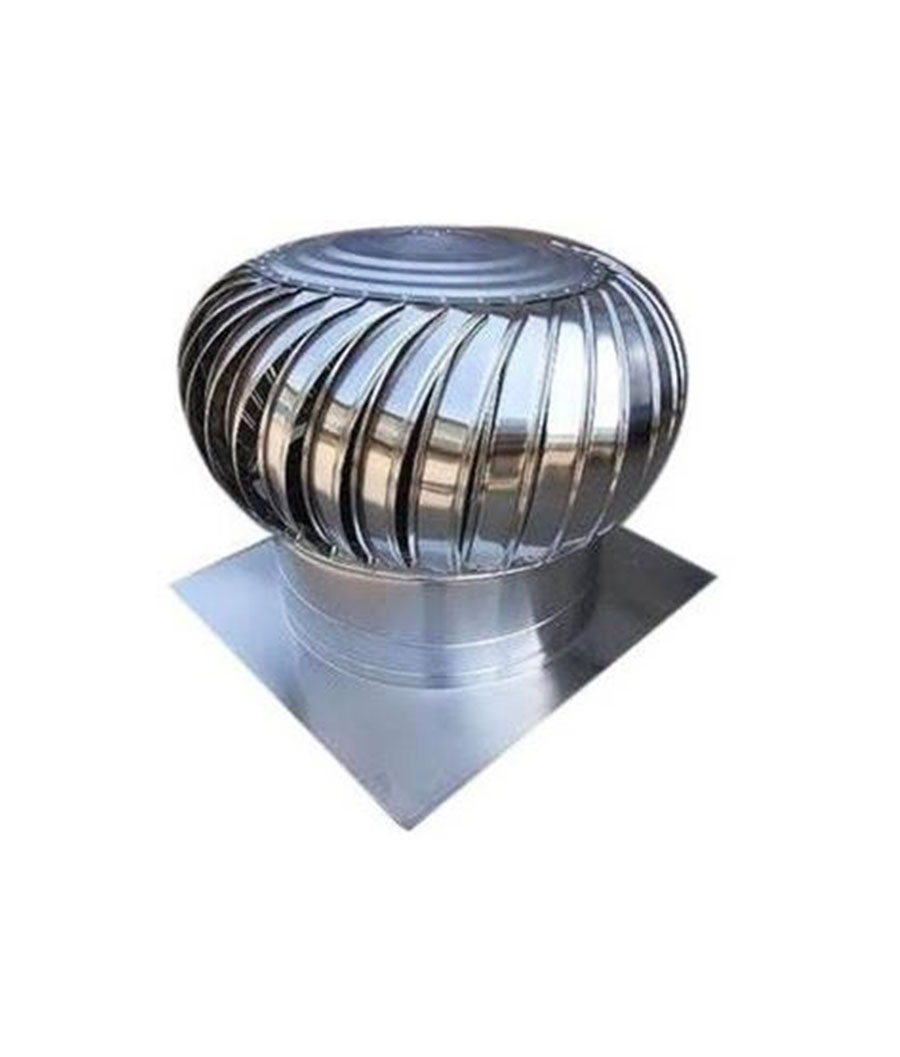
Turbo Ventilator
Insulation & Ventilation
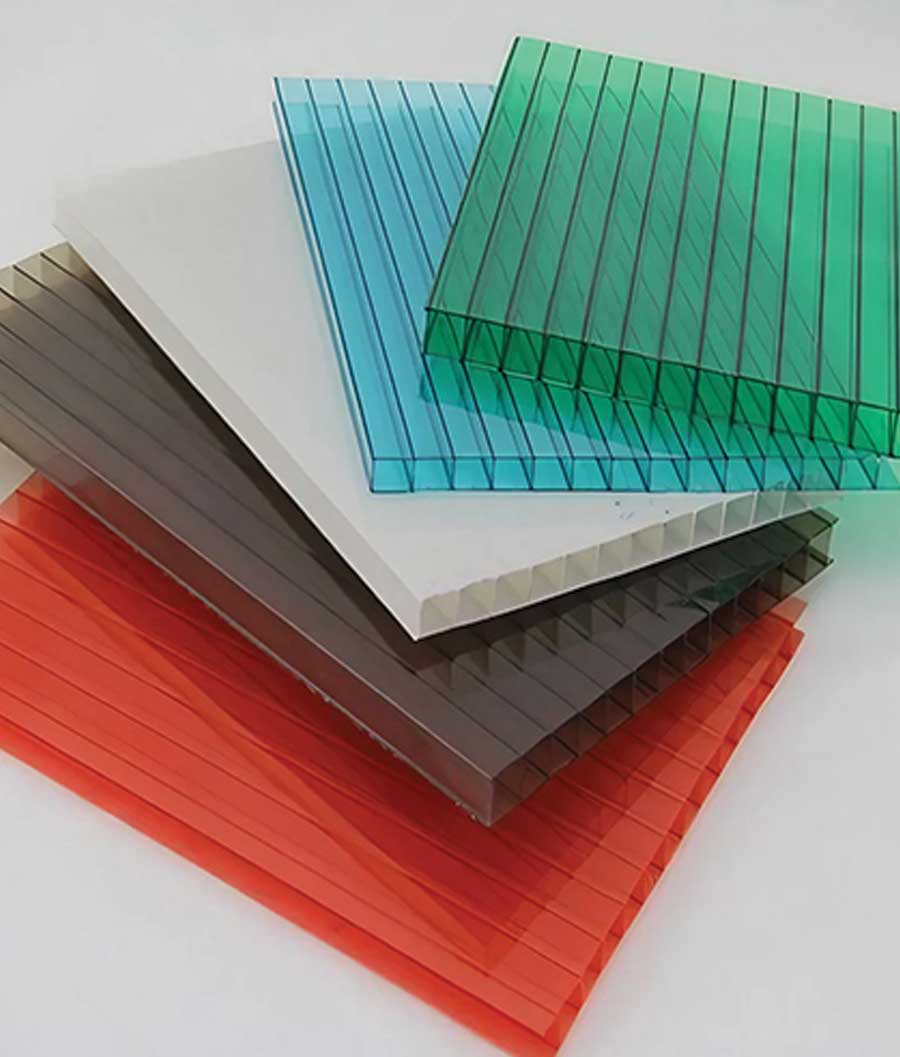
Polycarbonate Sheet
Profile, Corrugated Sheet
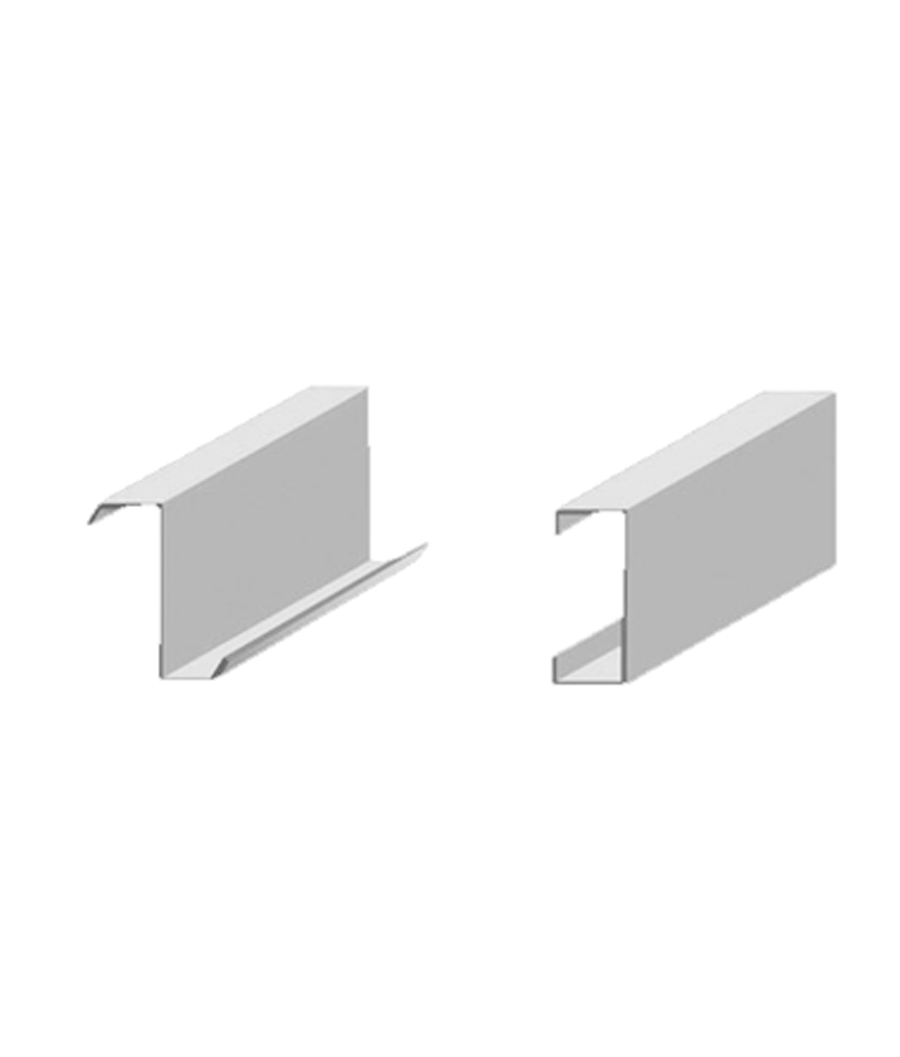
Z and C Purlins
Building Secondary Products
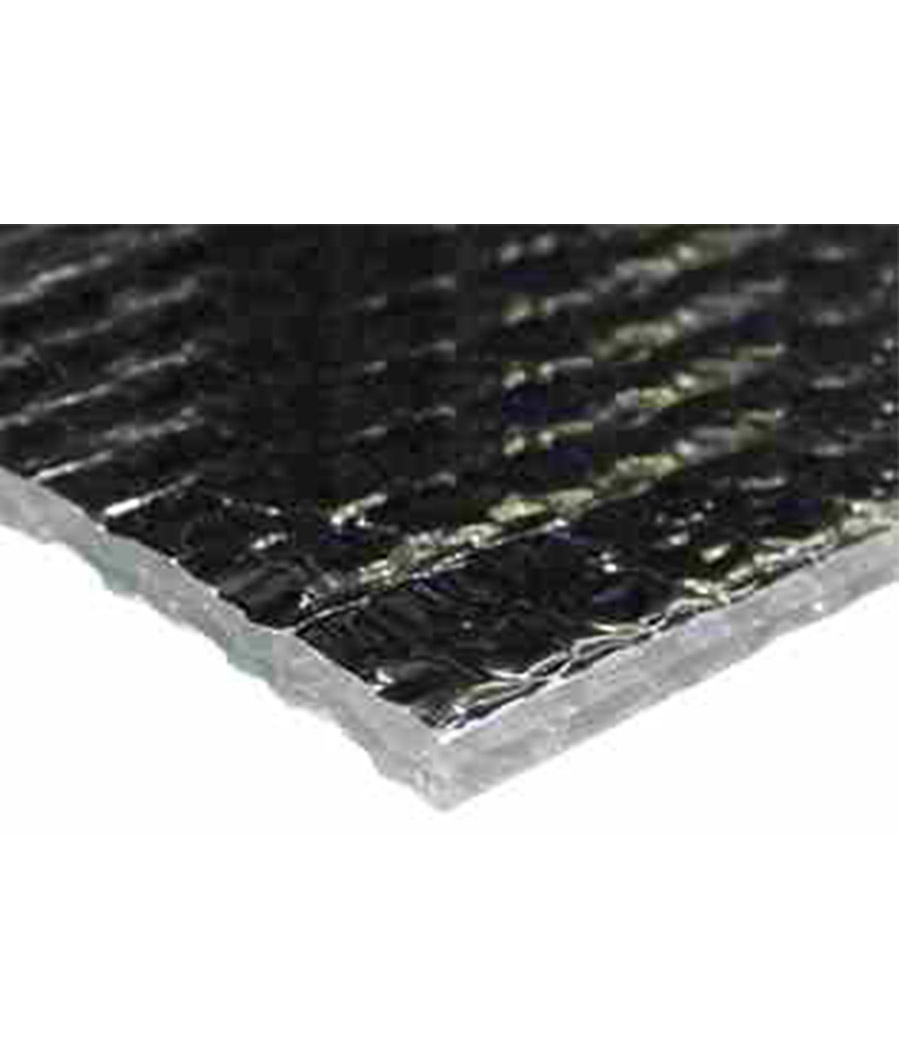
Double Bubble Insulation
Insulation & Ventilation
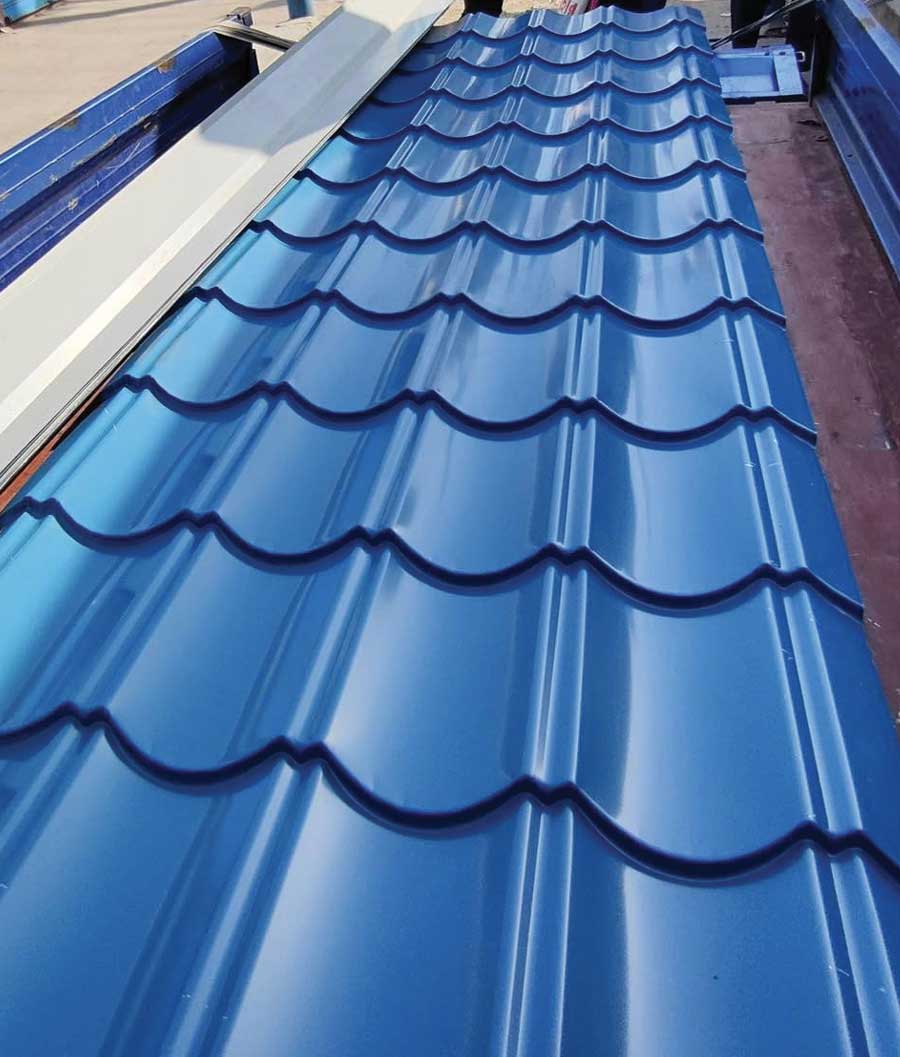
Tally Tin Roofing Sheet
Profile, Corrugated Sheet
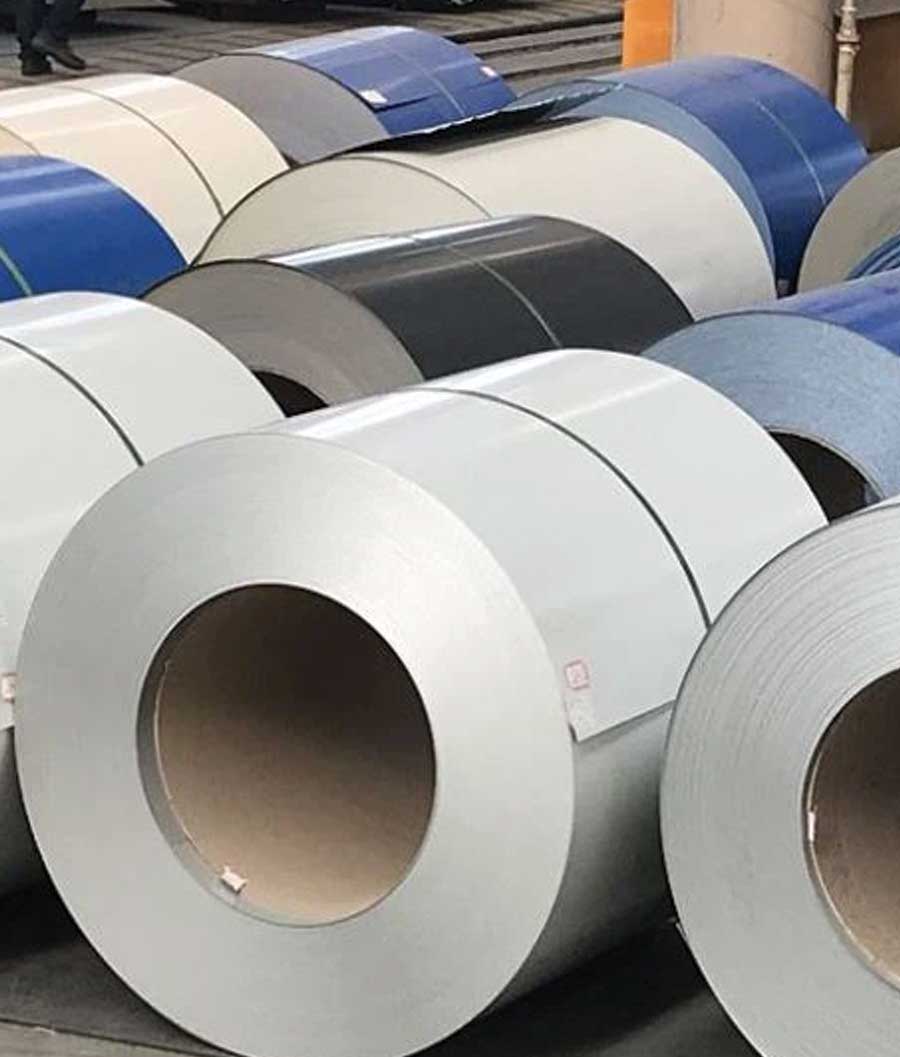
PPGL & PPGI
Basic Steel Form
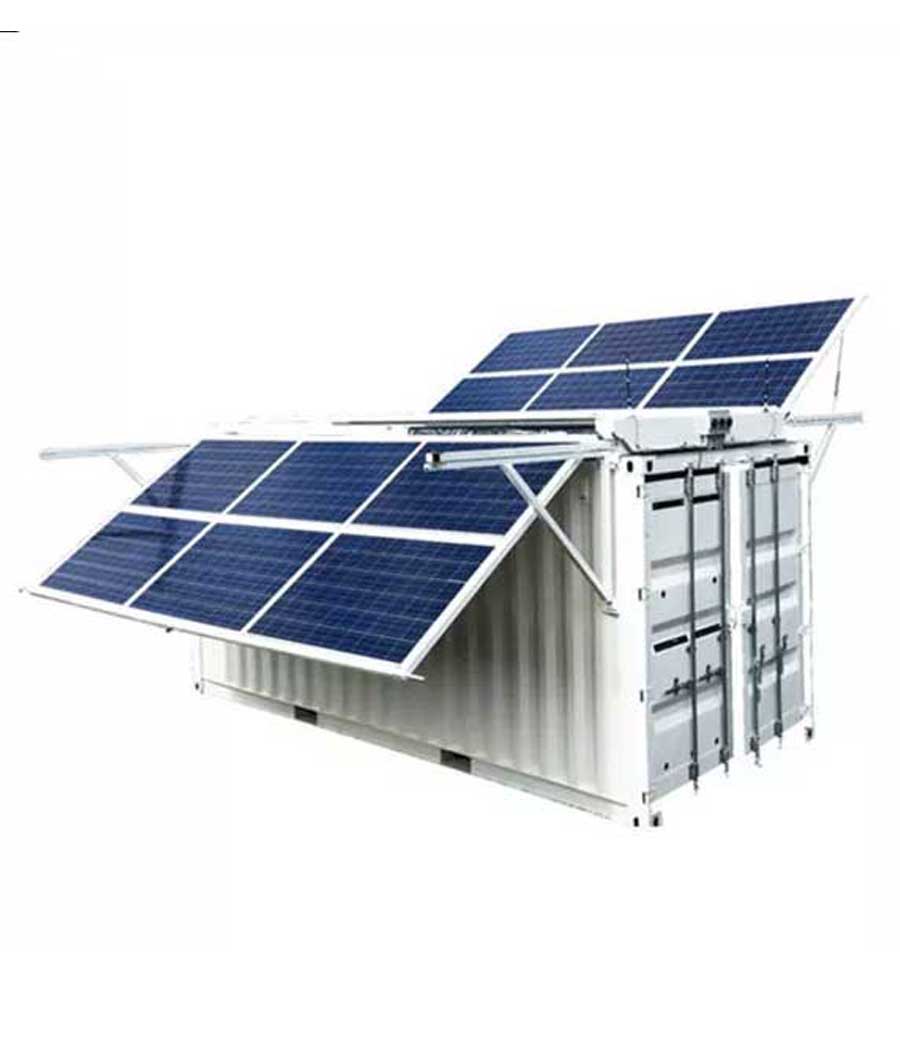
Container Mini Cold Storage
Other Products
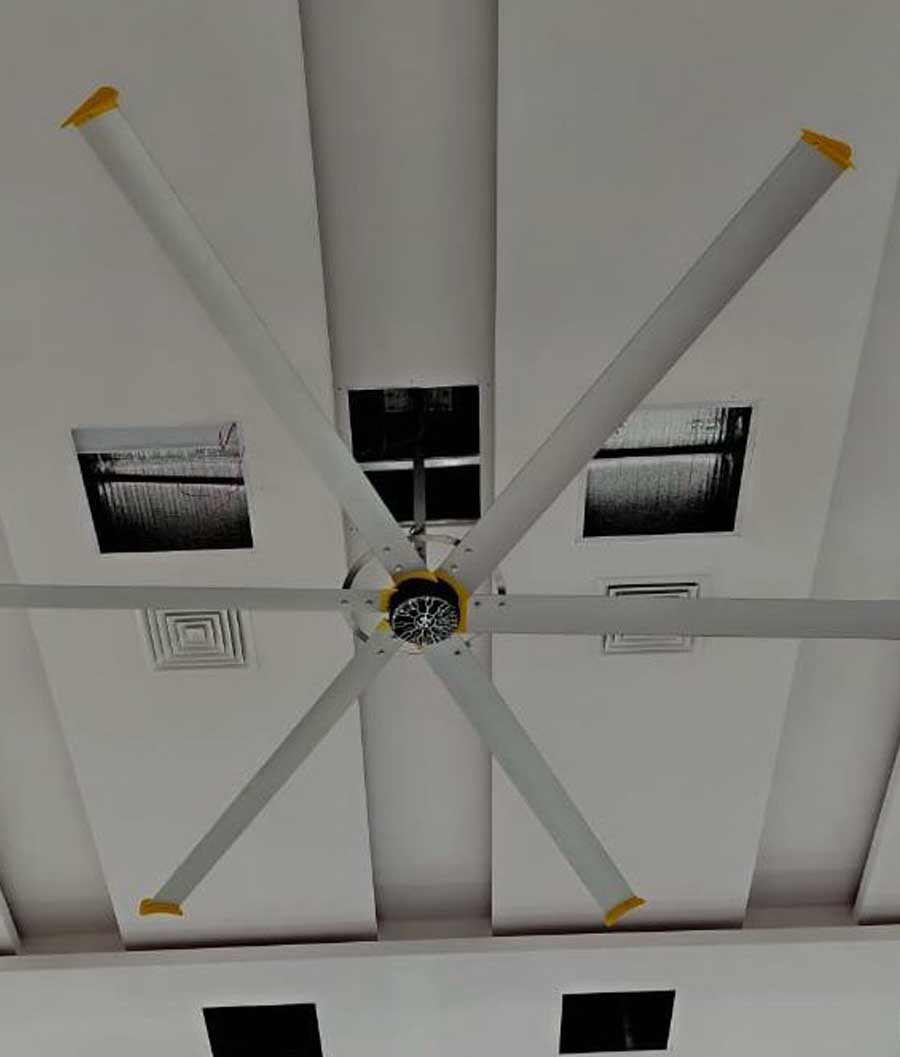
Helicopter Fan
Insulation & Ventilation
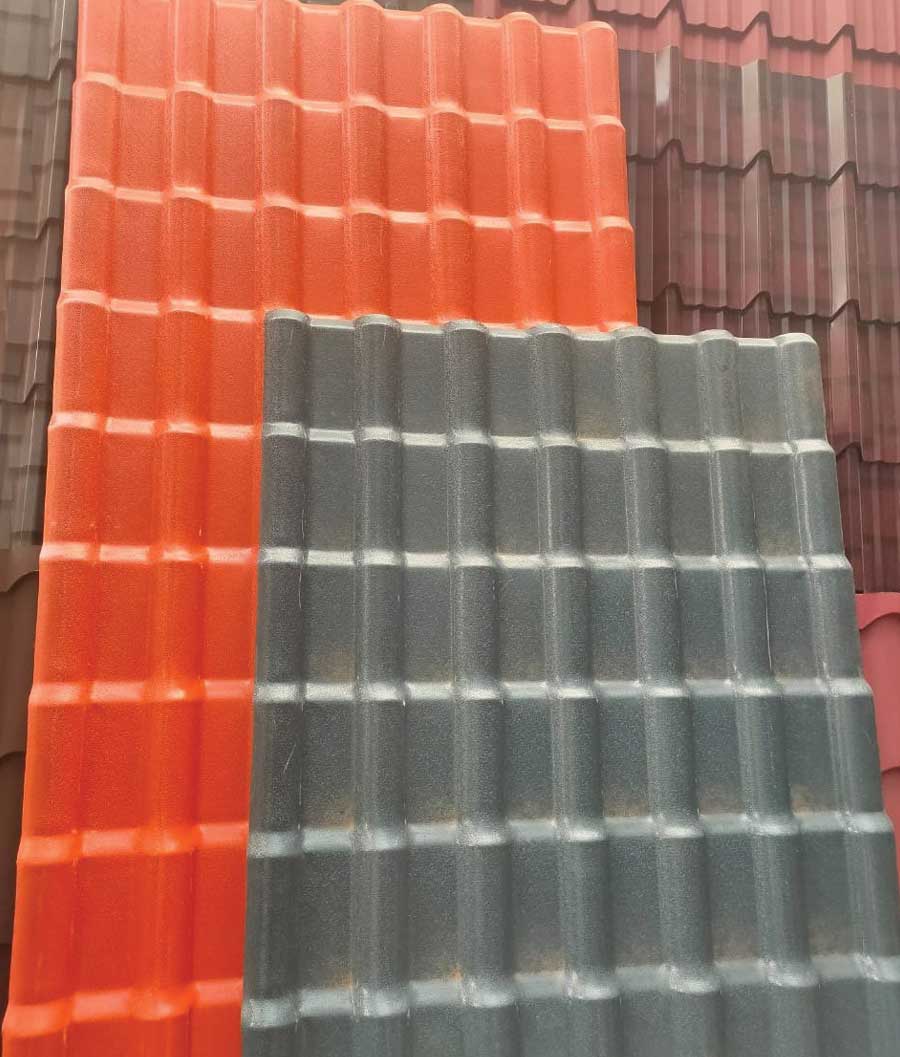
uPVC Tali Sheet
Profile, Corrugated Sheet
Please send your query of Inline Duct Fan