
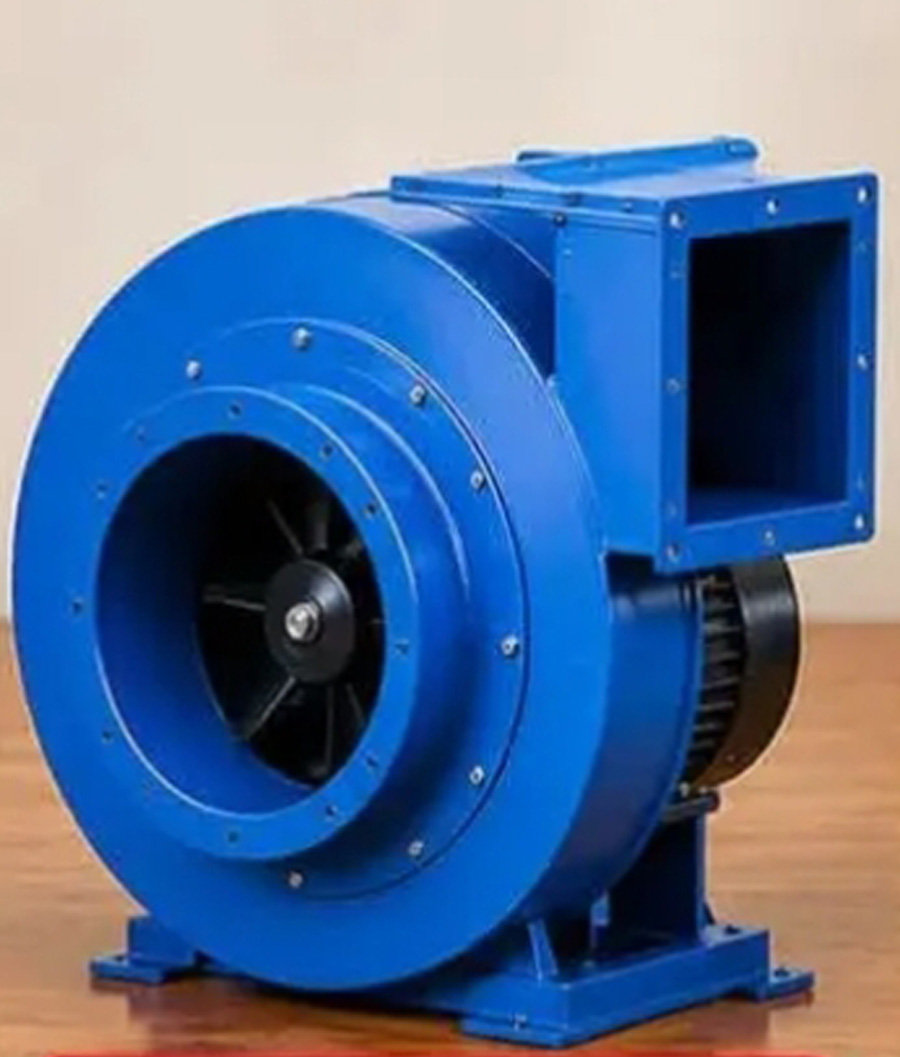
Centrifugal Fan
Insulation & Ventilation
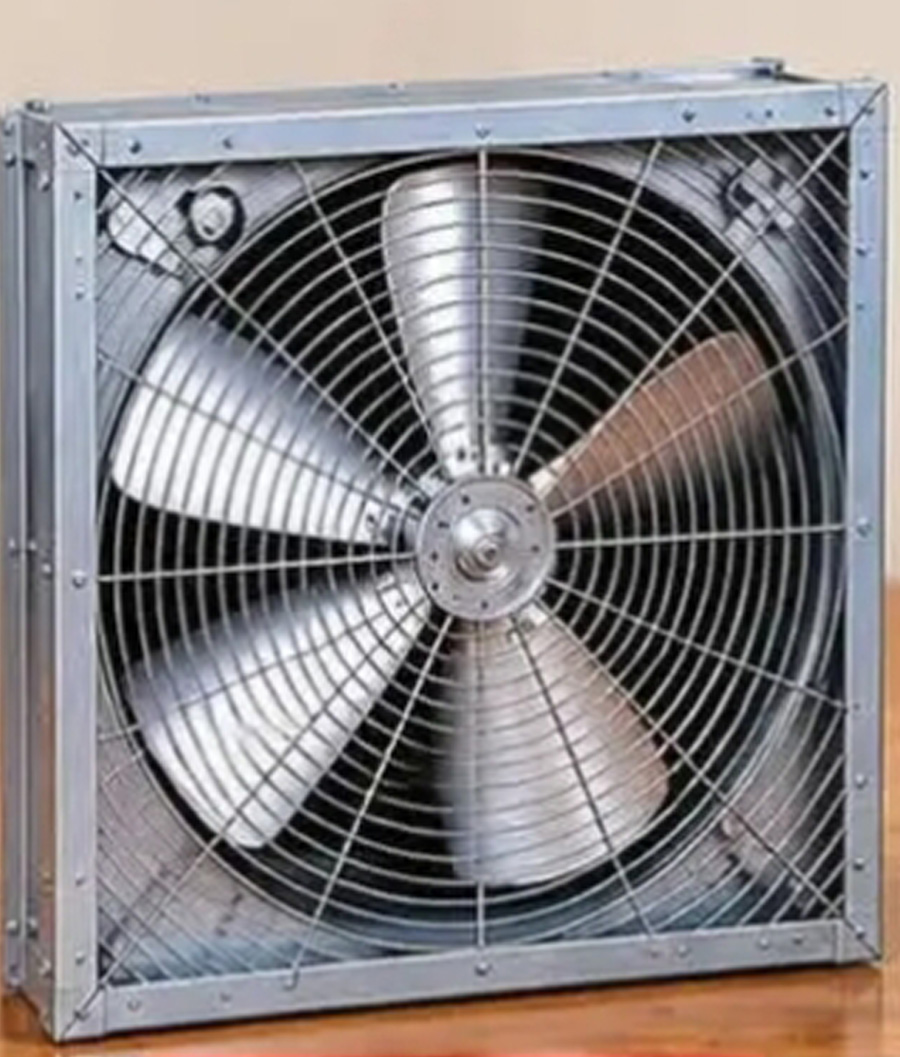
A centrifugal fan (often called a blower) is a mechanical device that increases the pressure and flow of an air stream. Unlike axial fans, which draw air parallel to the shaft, a centrifugal fan draws air in axially through its inlet and deflects it $90^\circ$ outward via centrifugal force through a rotating impeller.
Key Blade Configurations
The performance characteristics of a centrifugal fan depend heavily on the shape and angle of its impeller blades:
- Forward-Curved (FC): Blades curve in the direction of the wheel's rotation. Moves large volumes of air at low speeds and pressures with low noise levels. Ideal for residential HVAC units and furnaces.
- Backward-Curved / Backward-Inclined (BC/BI): Blades curve opposite to the rotation direction. Highly energy-efficient and operates well at high pressures. Self-limiting design prevents motor overload. Widely used in commercial HVAC and heavy industrial systems.
- Radial Blades: Straight blades extending directly outward like spokes. High-durability design that resists material buildup and abrasion, making it ideal for dust collection, pneumatic conveying, and industrial fume handling.
- Airfoil Blades: Curved blades with an aerodynamic cross-section (similar to an airplane wing). Provides the highest operating efficiency and quietest operation for high-volume clean-air HVAC applications.
Related Products
PU Wall Panel
Sandwich Panel
EPS Sandwich Panels
Sandwich Panel
Turbo Ventilator
Insulation & Ventilation
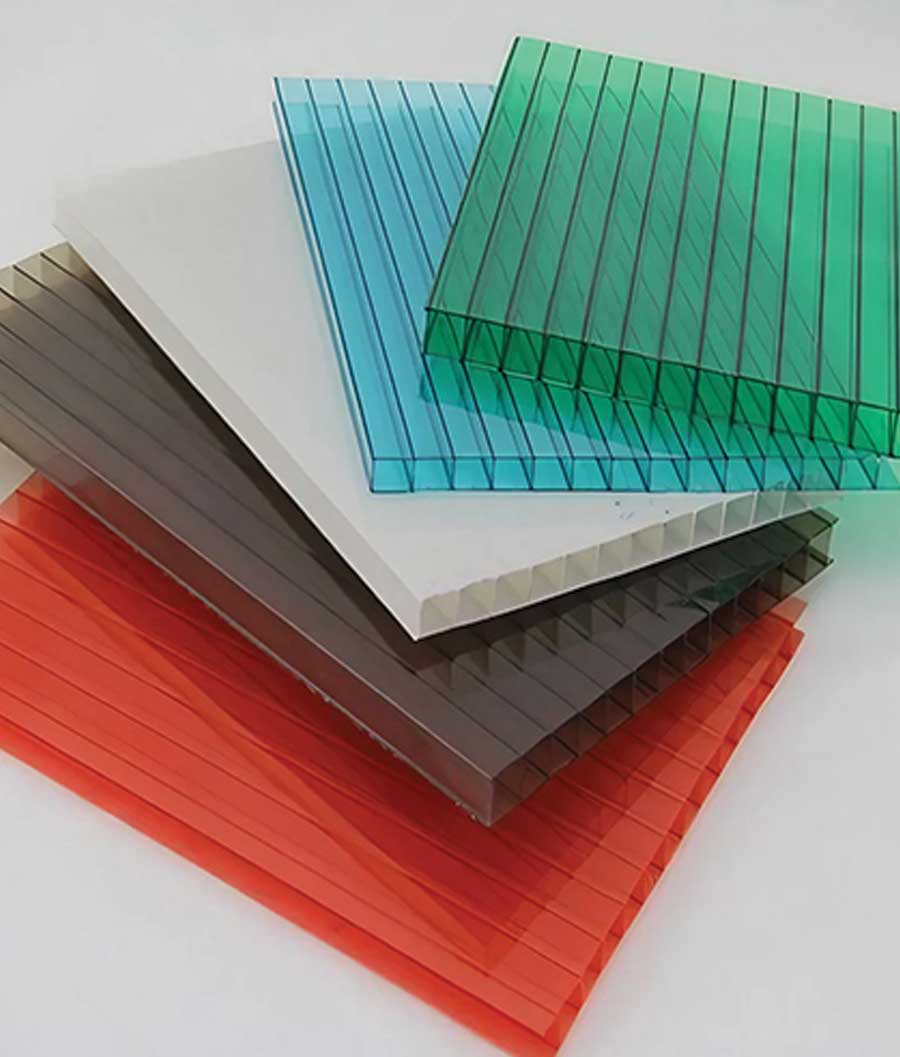
Polycarbonate Sheet
Profile, Corrugated Sheet
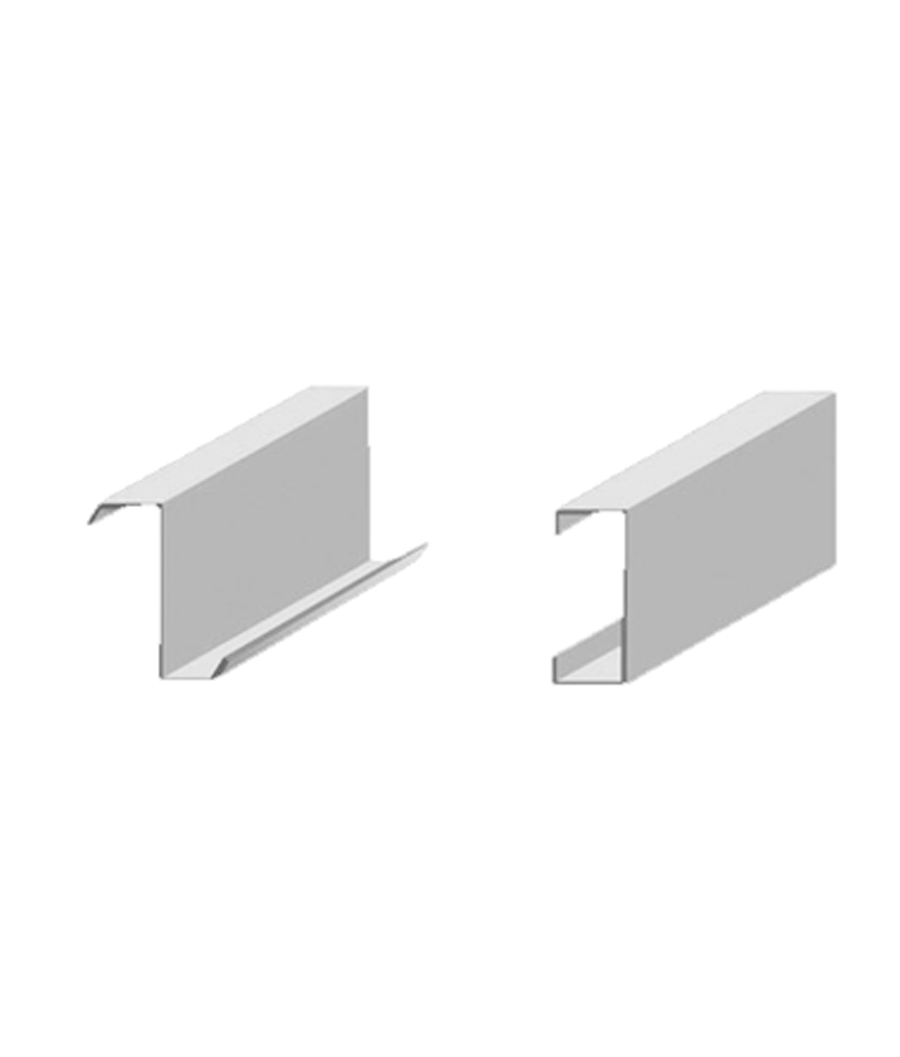
Z and C Purlins
Building Secondary Products
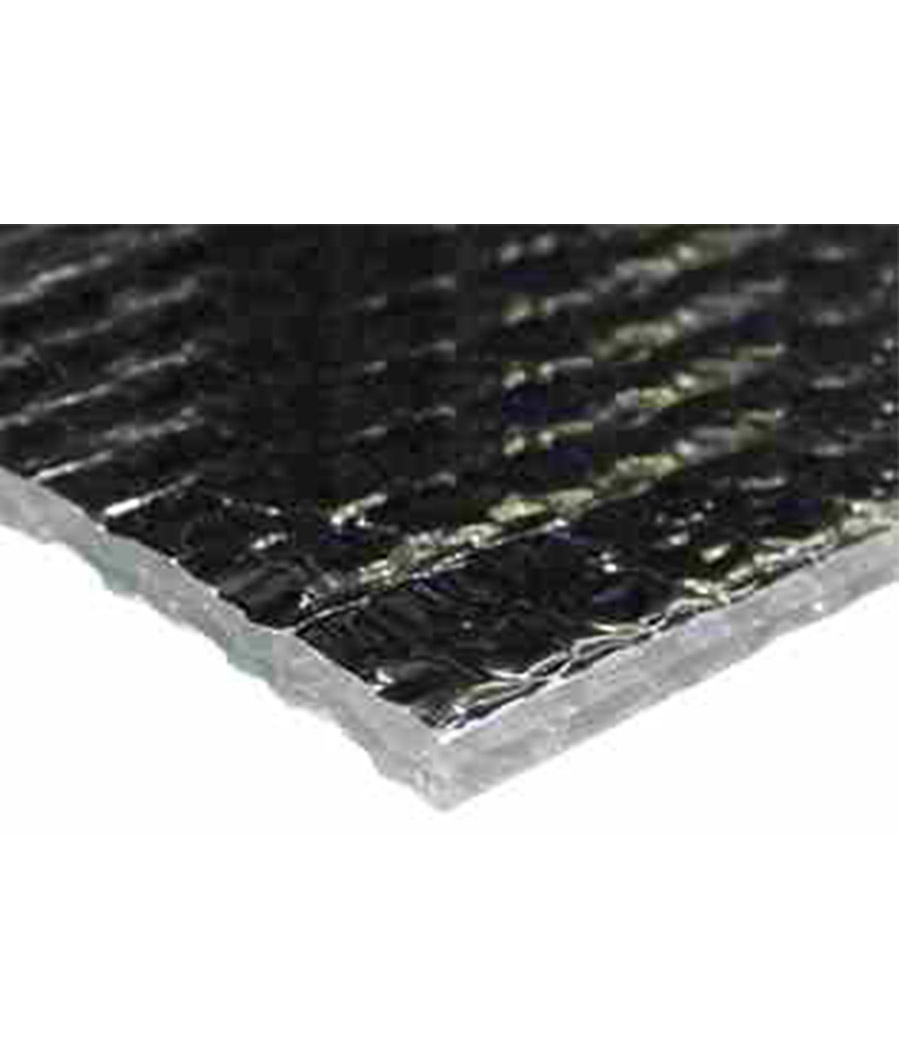
Double Bubble Insulation
Insulation & Ventilation
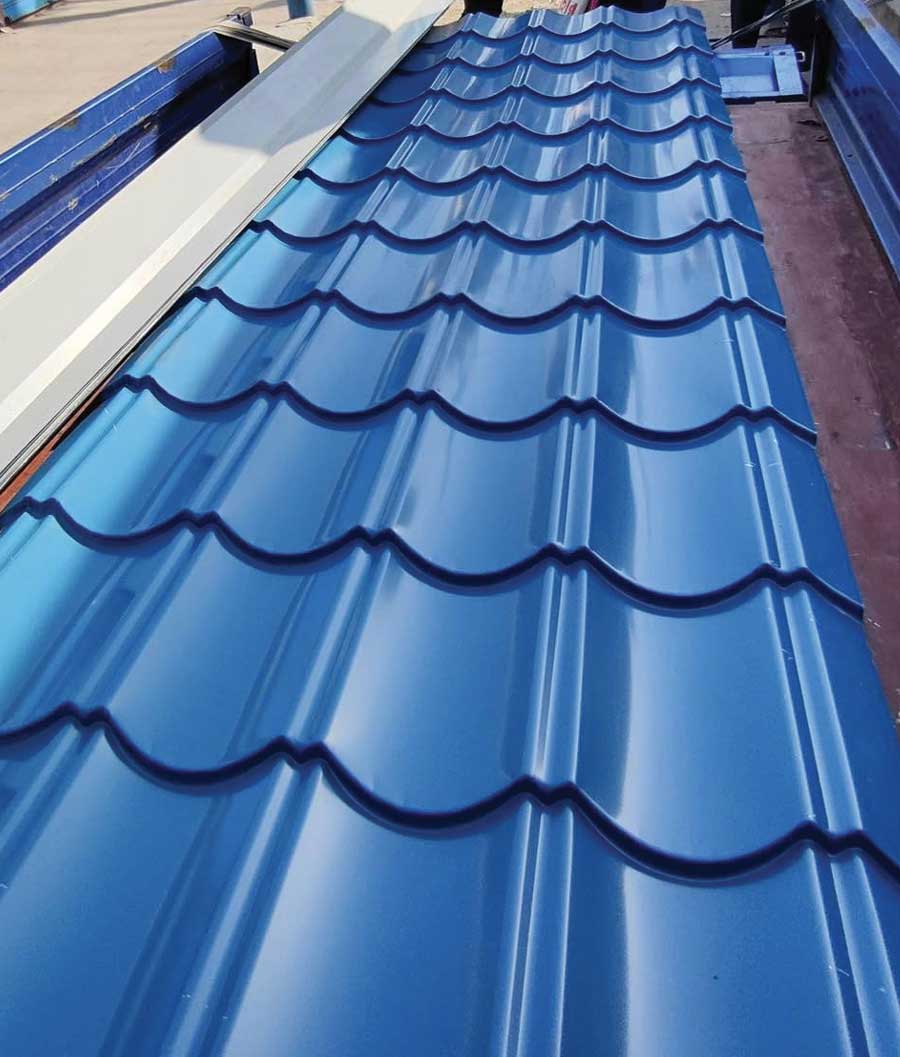
Tally Tin Roofing Sheet
Profile, Corrugated Sheet
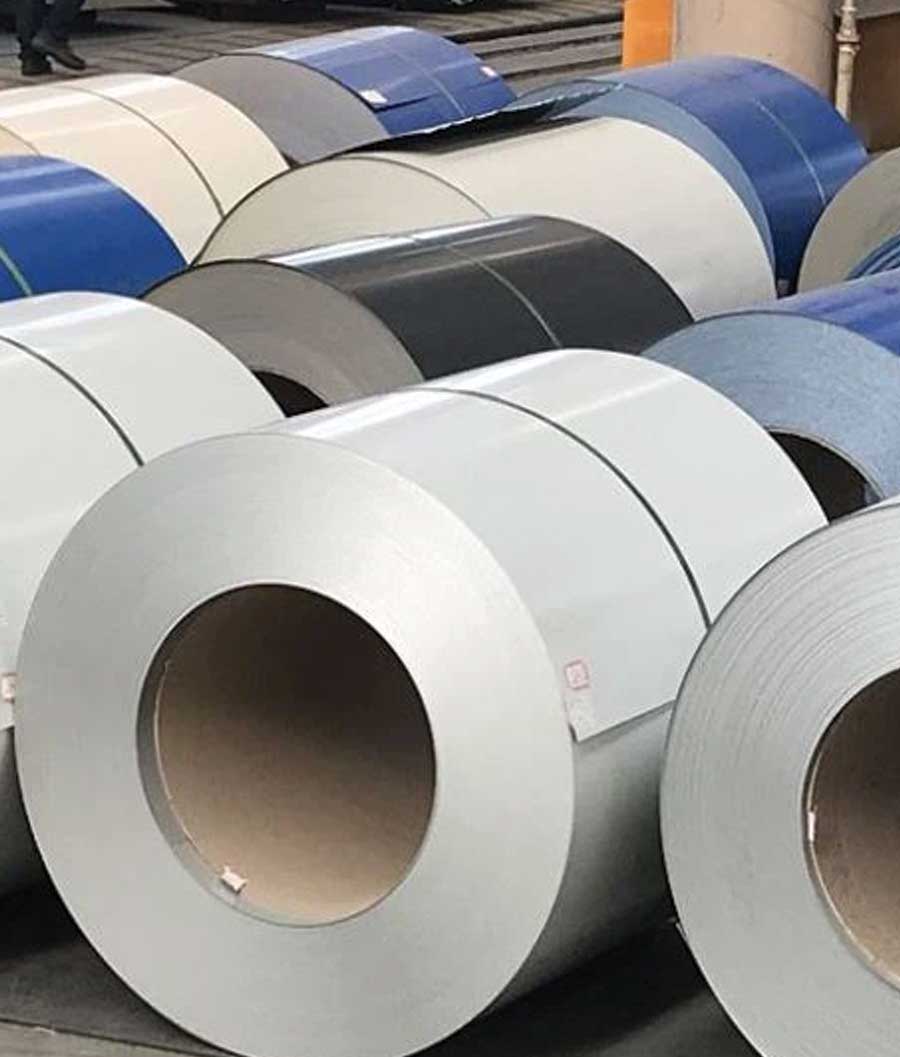
PPGL & PPGI
Basic Steel Form
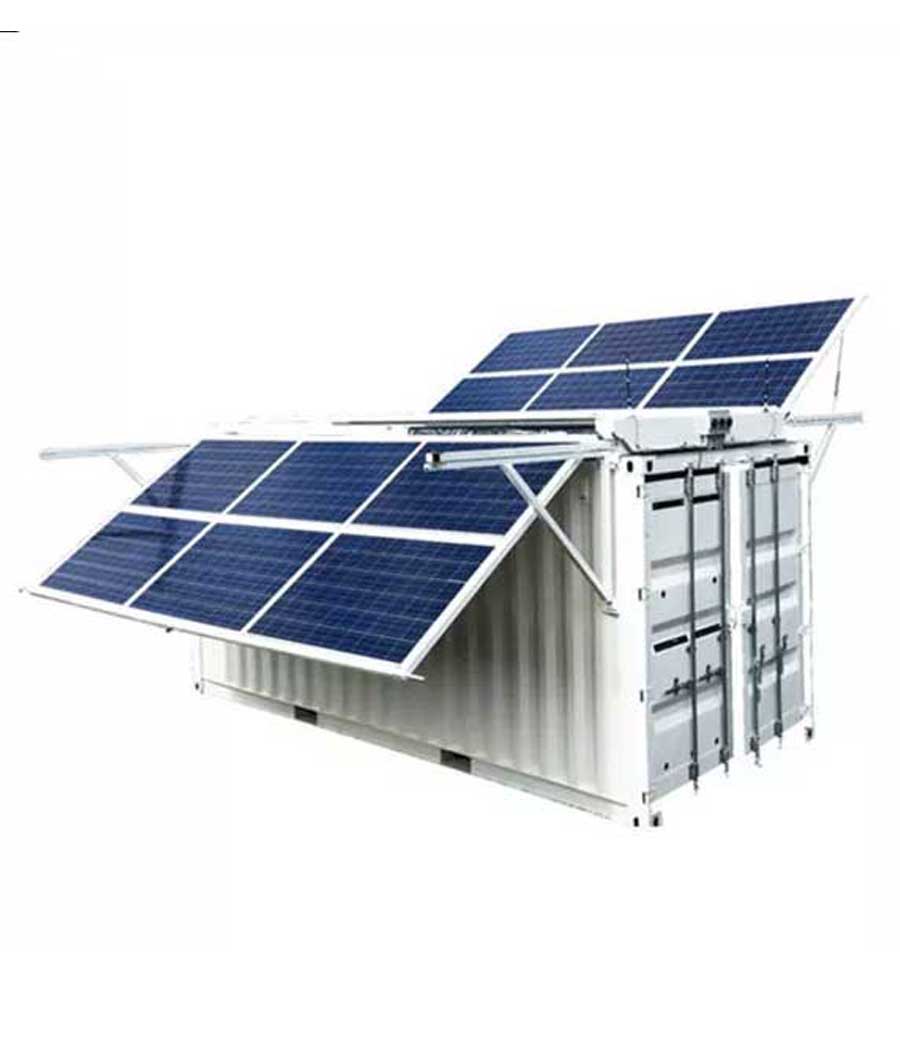
Container Mini Cold Storage
Other Products
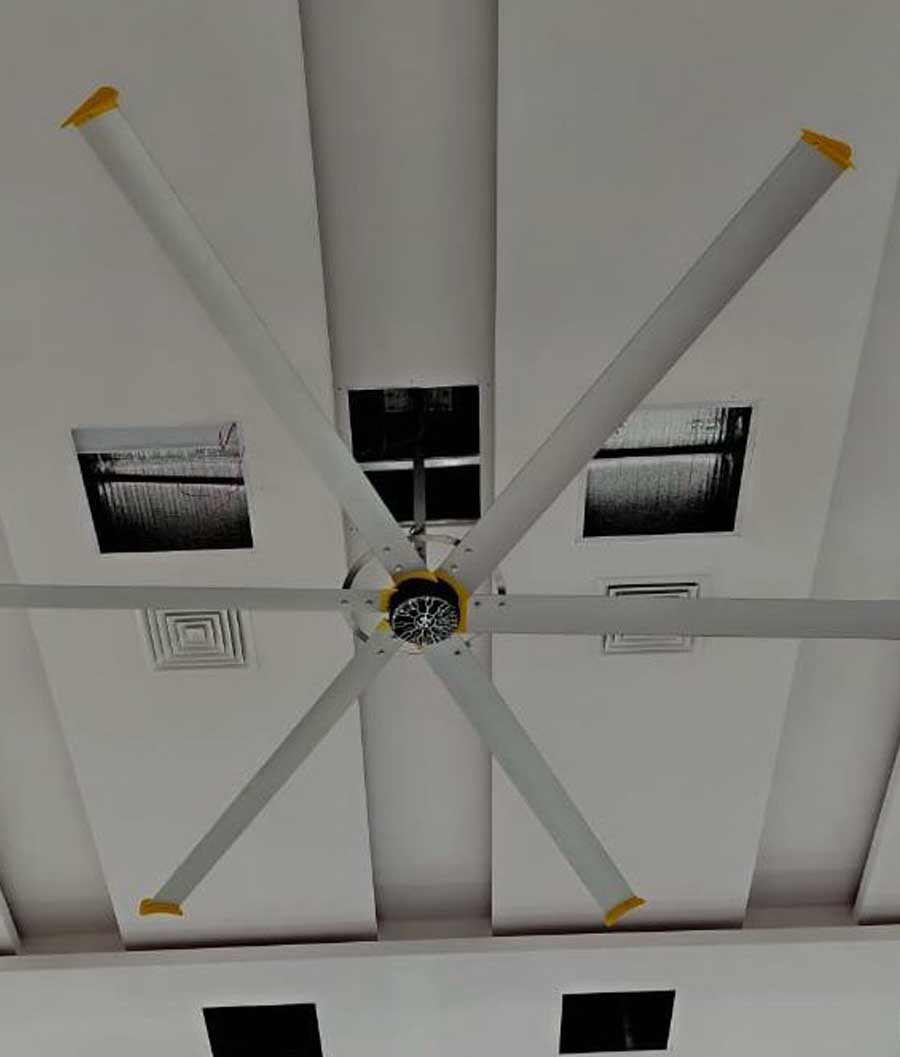
Helicopter Fan
Insulation & Ventilation
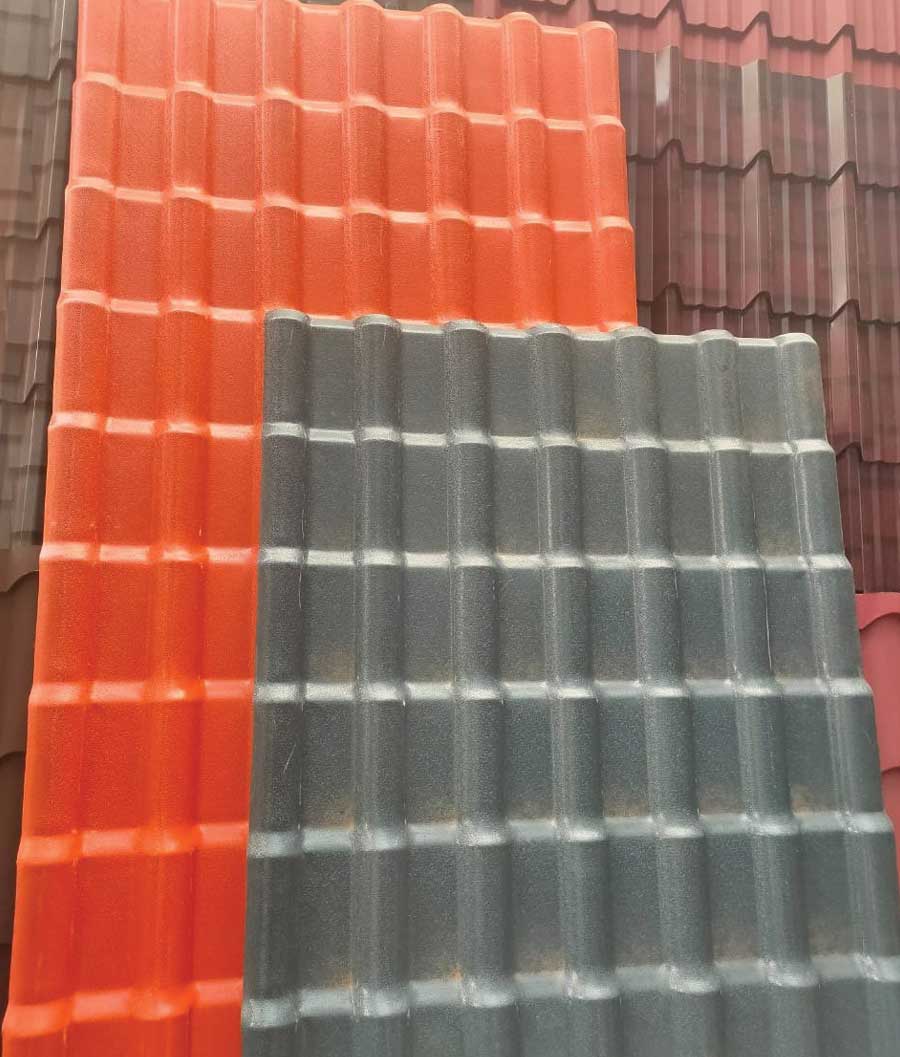
uPVC Tali Sheet
Profile, Corrugated Sheet
Please send your query of Centrifugal Fan