
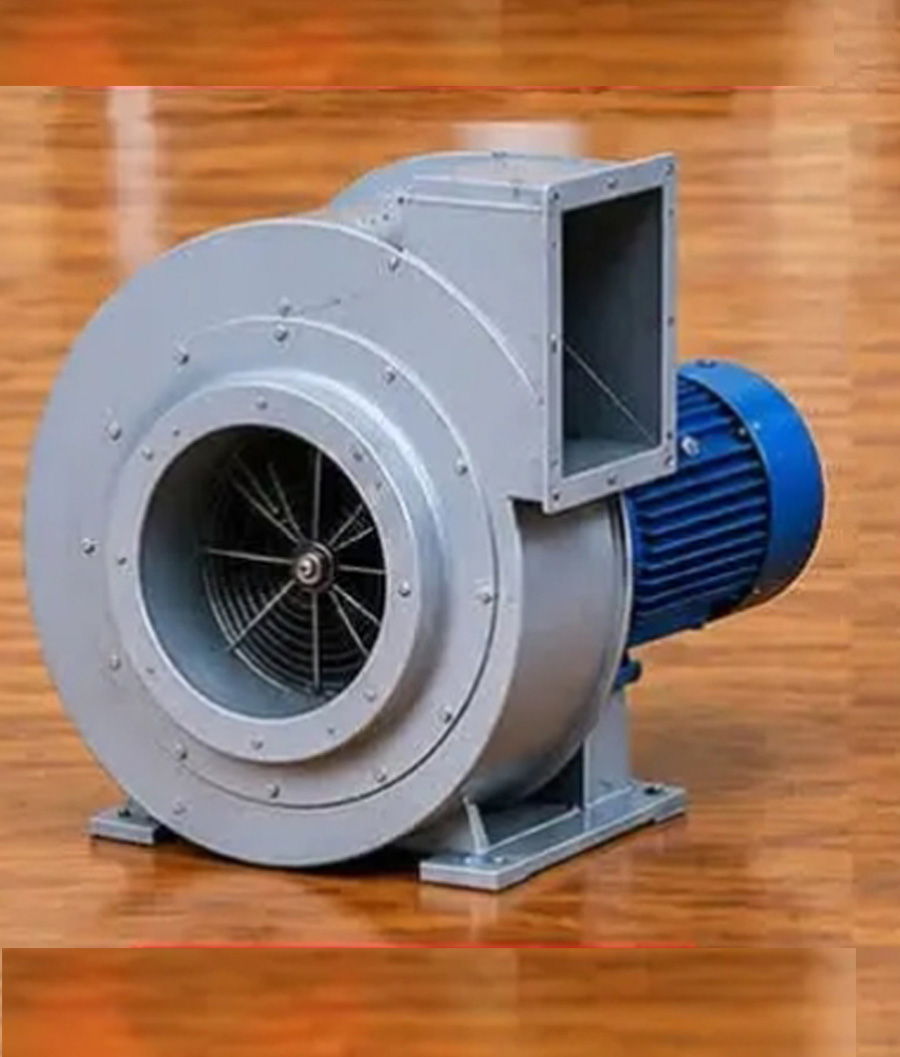
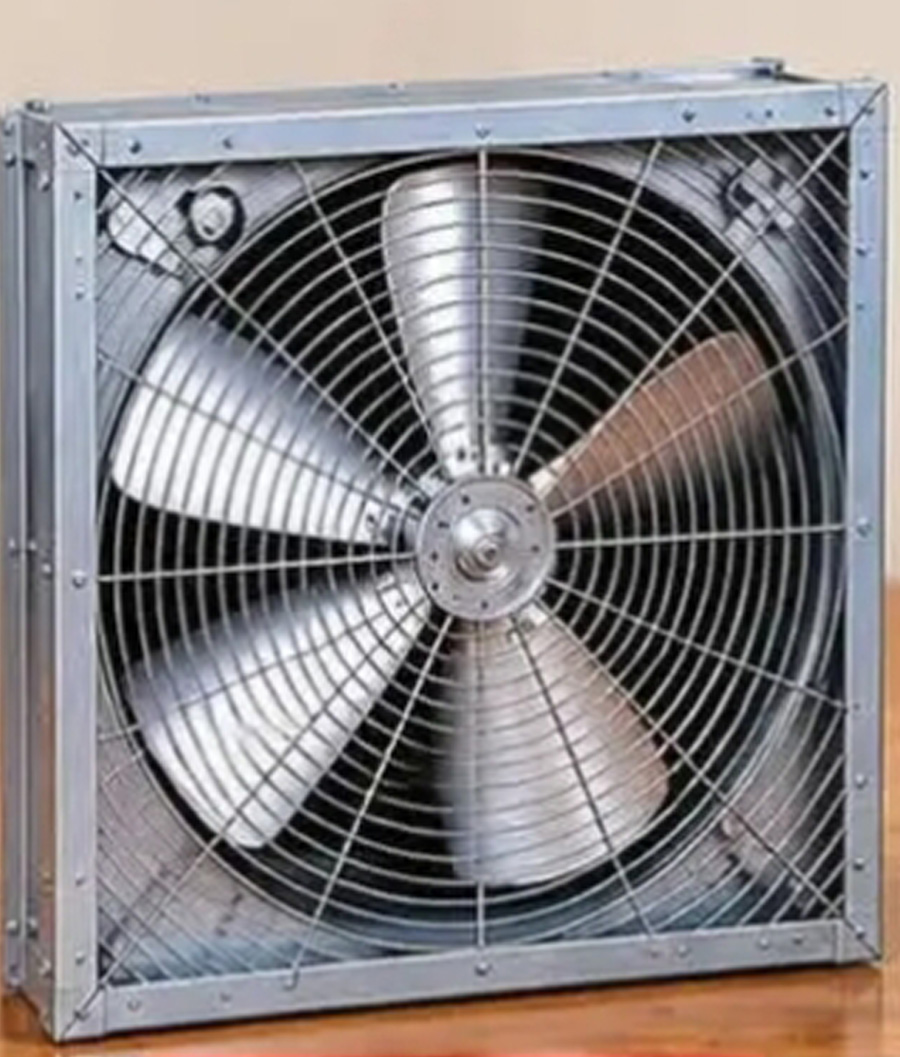
Blower Fan
Insulation & Ventilation
A blower fan (or centrifugal fan) pulls air into the center of its housing (the impeller wheel) and accelerates it outward at a 90-degree angle. Unlike standard axial fans that simply slice through air to push it forward, blower fans build up high static pressure, making them far more effective at pushing air through resistance like filters, narrow ducts, and tight heat sinks.
Primary Applications
- HVAC & Heating Systems: Moves air through ductwork and across heat exchangers or cooling coils in residential and commercial furnaces.
- 3D Printing & Electronics: Delivers focused, high-pressure cooling directly onto melted filament or heat-sensitive components where space is limited.
- Floor & Surface Drying: Utility blowers sit low to the ground to circulate air rapidly across floors to dry paint, leaks, or freshly washed carpets.
- Automotive: Powers the cabin climate control system (defrost, heat, and AC vents).
Related Products
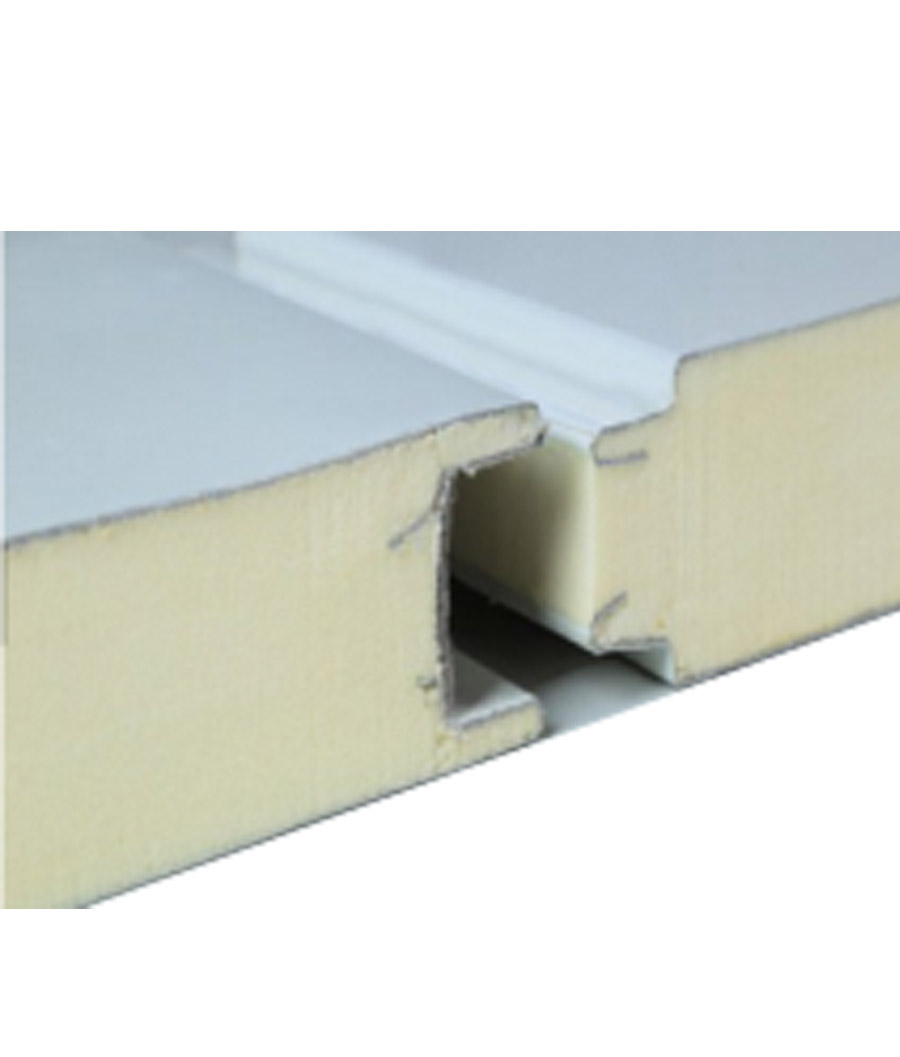
PU Wall Panel
Sandwich Panel
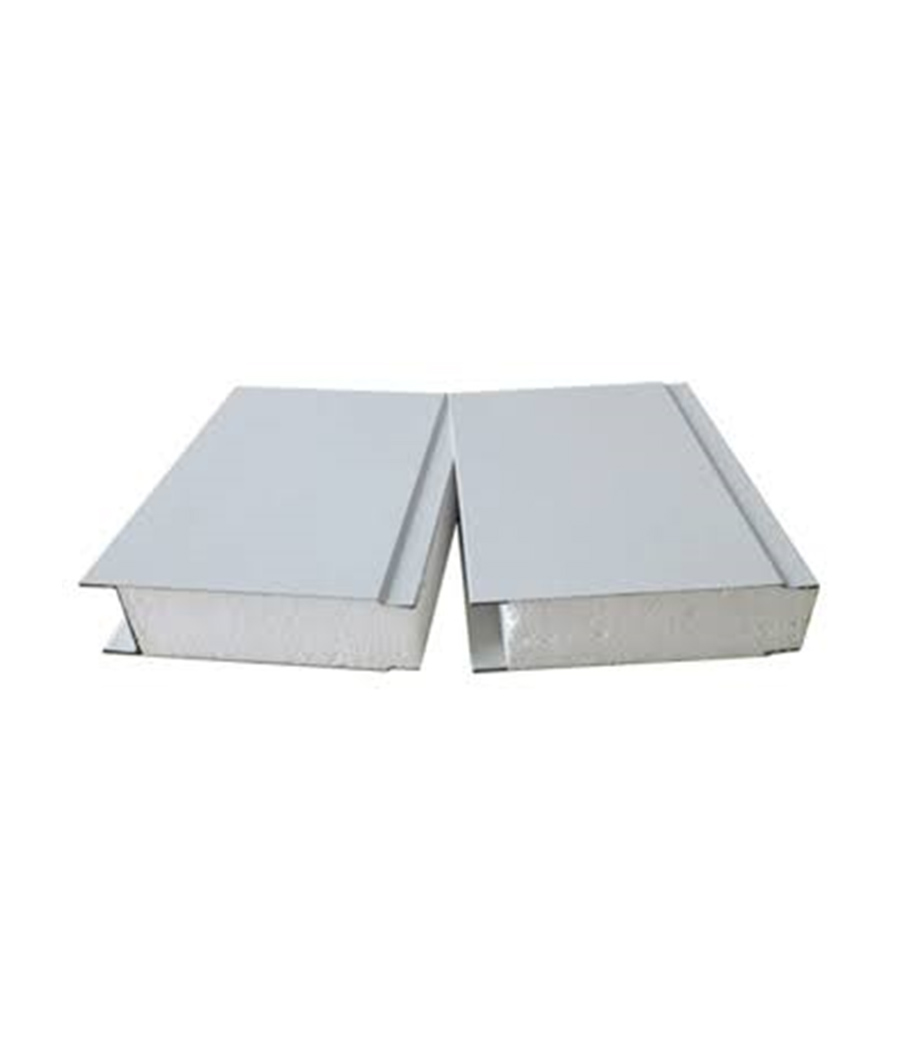
EPS Sandwich Panels
Sandwich Panel
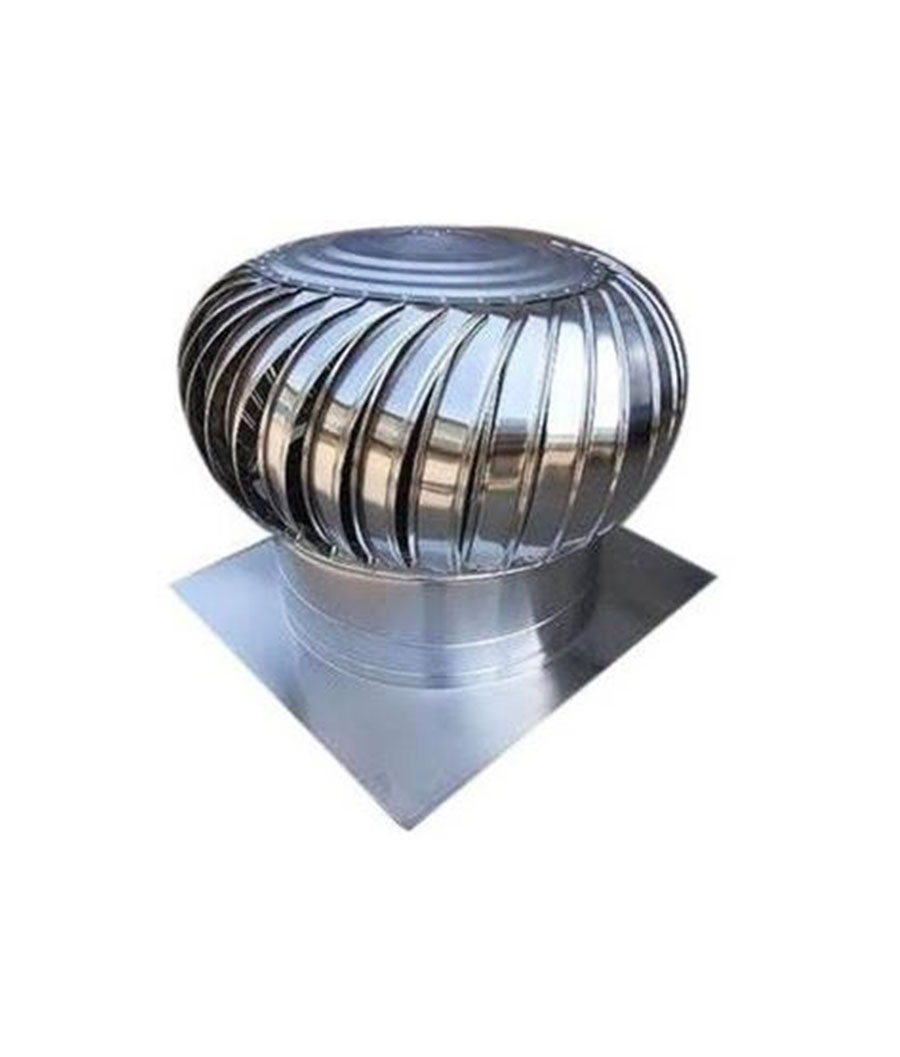
Turbo Ventilator
Insulation & Ventilation
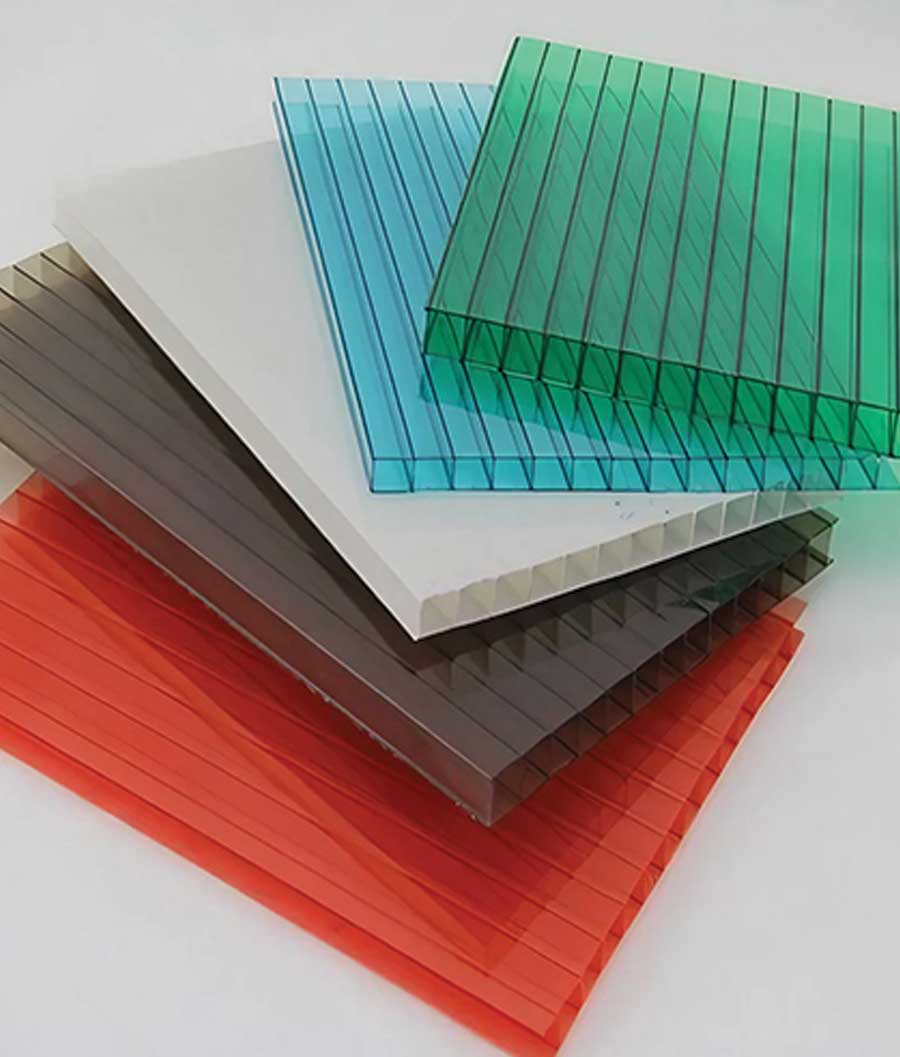
Polycarbonate Sheet
Profile, Corrugated Sheet
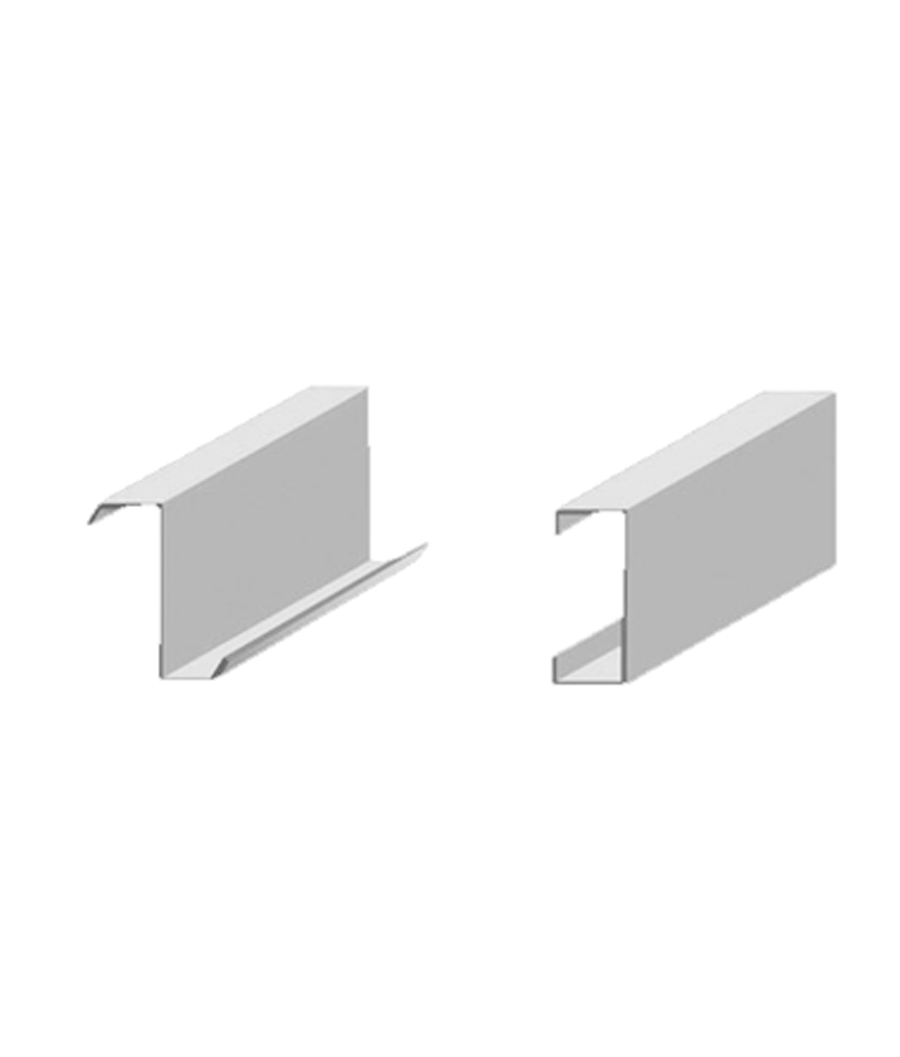
Z and C Purlins
Building Secondary Products
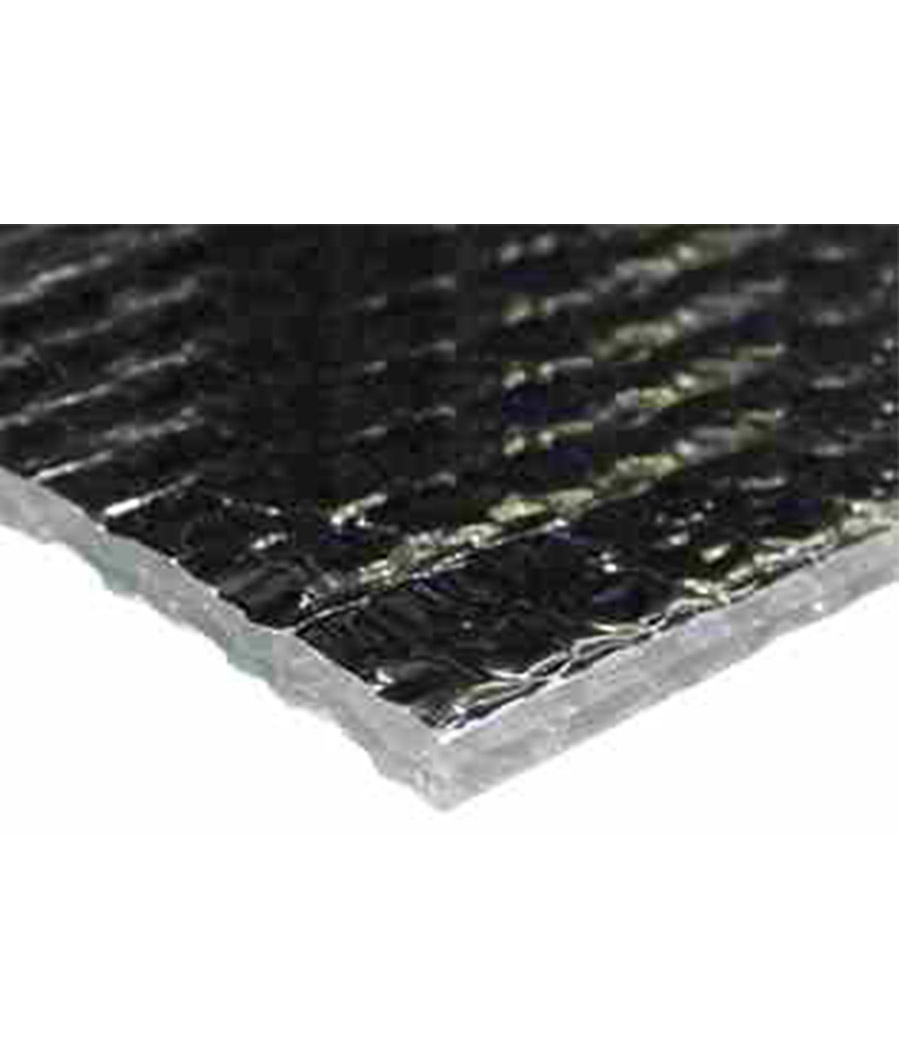
Double Bubble Insulation
Insulation & Ventilation
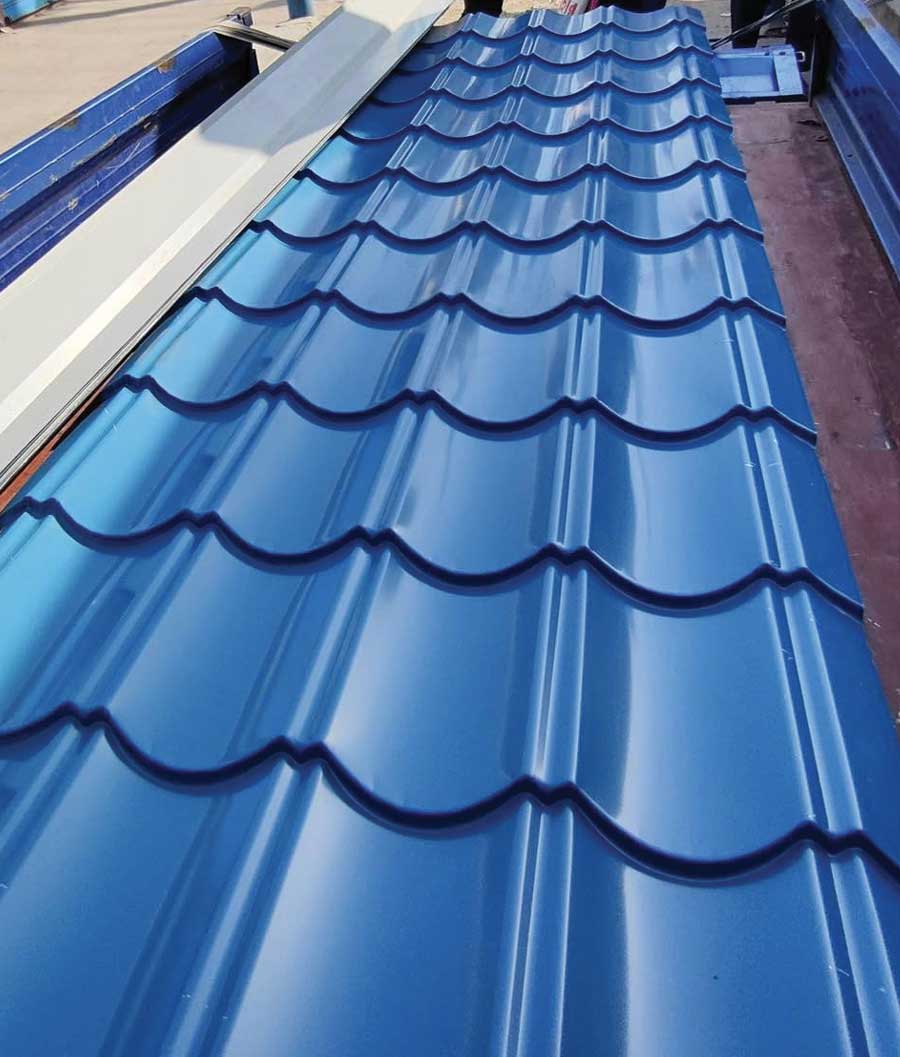
Tally Tin Roofing Sheet
Profile, Corrugated Sheet
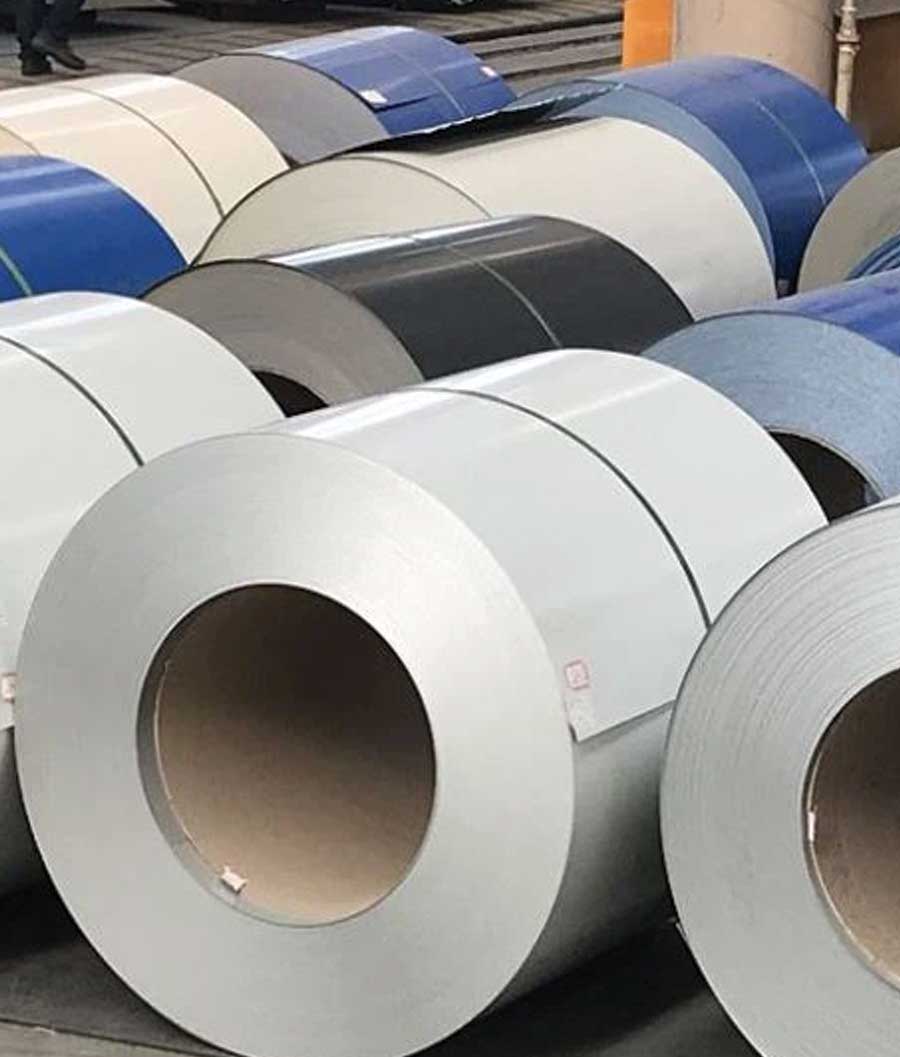
PPGL & PPGI
Basic Steel Form
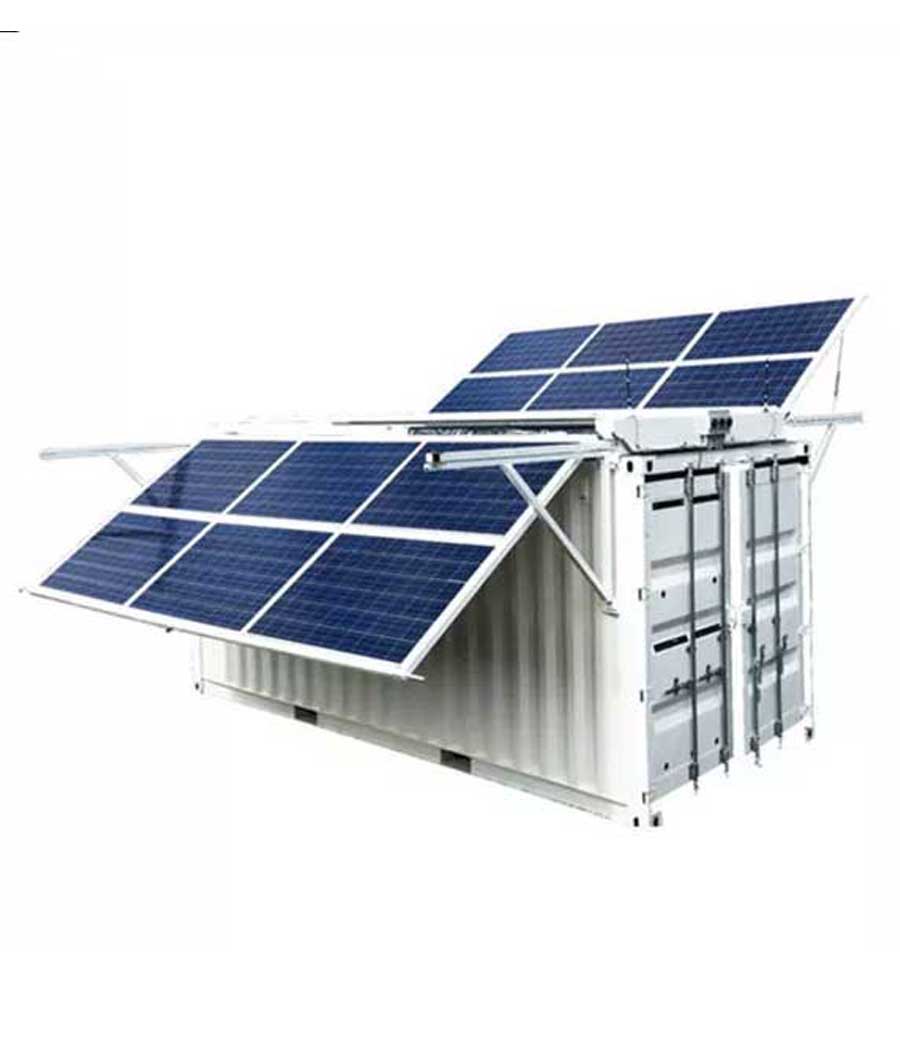
Container Mini Cold Storage
Other Products
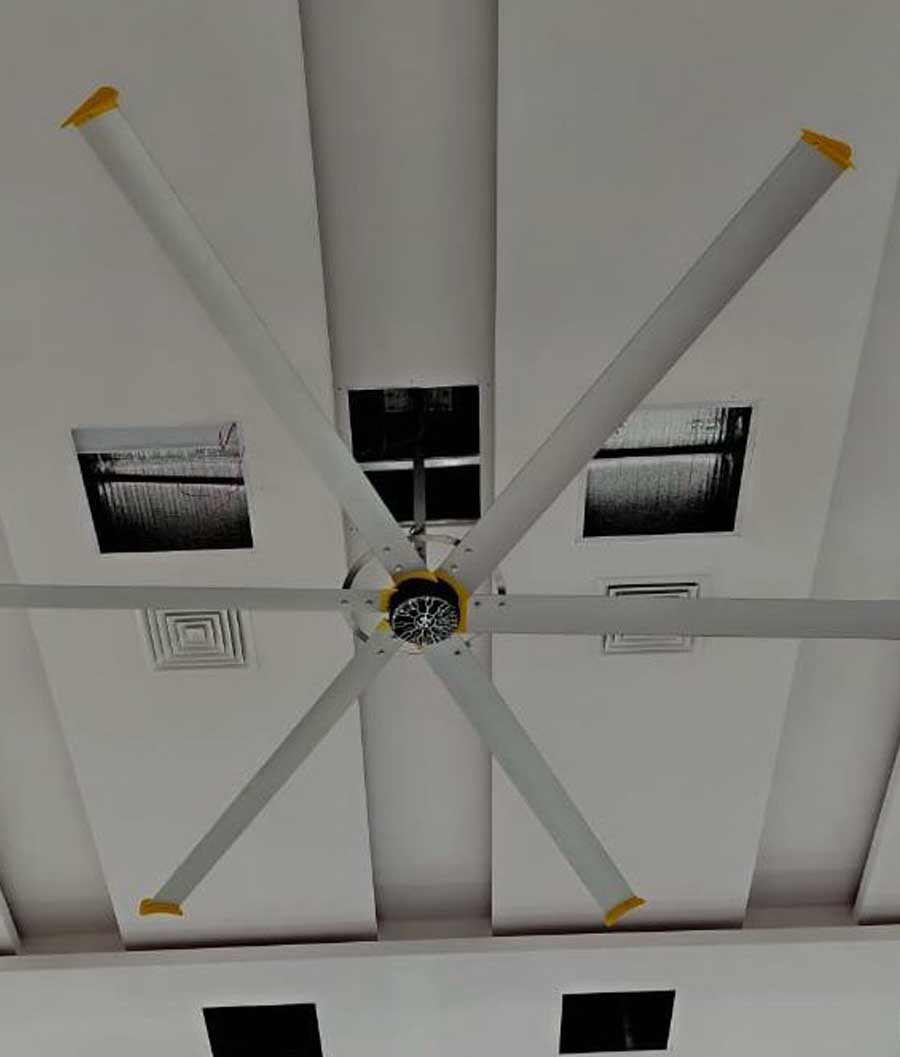
Helicopter Fan
Insulation & Ventilation
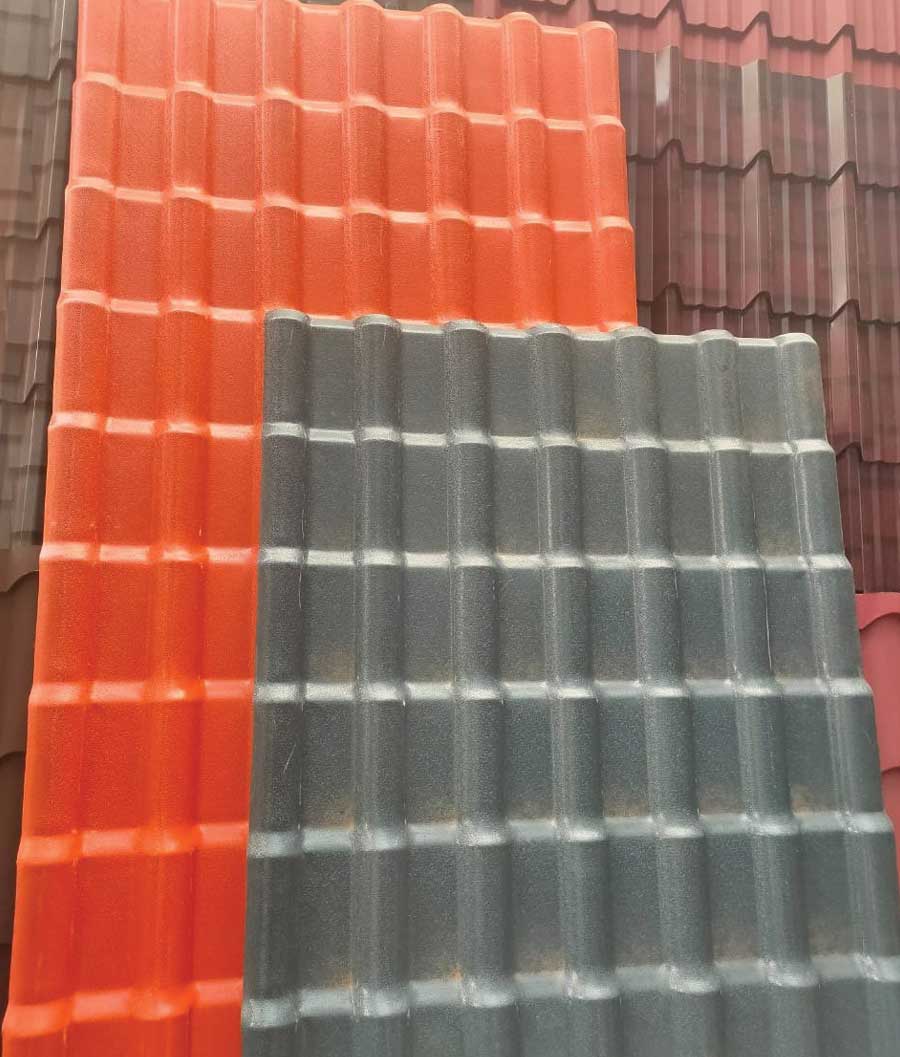
uPVC Tali Sheet
Profile, Corrugated Sheet
Please send your query of Blower Fan